Written by: Anish Rao, Head of Growth, Listen Labs
Key Takeaways for Insights Leaders
- Ipsos and Kantar deliver reliable wave-based KPI reporting but need separate qualitative studies to explain metric movements, so teams react to lagging indicators weeks or months after shifts begin.
- Listen Pulse keeps core tracking questions stable for trend integrity and embeds open-ended conversational probes that deliver quantitative KPIs and qualitative explanations in the same wave.
- Traditional trackers from Ipsos and Kantar provide validated frameworks and global benchmarks, yet their diagnostics typically arrive after waves close and often require additional analytical engagements.
- Listen Pulse delivers results in under 24 hours at roughly one-third the cost of traditional programs, with Emotional Intelligence analysis across 50+ languages and traceable verbatim quotes for every KPI movement.
- Teams running existing Ipsos or Kantar trackers can integrate Listen Pulse as a conversational diagnostic layer without replacing current infrastructure, and can book a demo to see how the integration works.
How Ipsos, Kantar, and Listen Pulse Structure Brand Tracking
Ipsos brand tracking programs emphasize consistent metrics, on-demand snapshots, and agile delivery, with sampling and fieldwork scheduled at agreed intervals. Its Brand Value Creator (BVC) connects Brand Desire, or organic demand, with Market Effects, the factors that facilitate or impede purchase, to produce grounded KPIs. Ipsos has expanded beyond pure survey data by incorporating signals from social, search, and LLM sources organized into what consumers See, Say, and Do digitally, yet the core delivery model still follows a wave schedule.
Kantar’s BrandDynamics runs on its Meaningful, Different, Salient (MDS) framework, which Kantar states is the only brand equity measurement approach independently validated by MASB to deliver commercial outcomes. Kantar’s Connected Data Solutions link survey responses to persistent, privacy-compliant profiles that evolve over time. That structure enables reusable segments and longitudinal insights across multiple study waves. Each wave adds data to existing profiles, but the model does not introduce open-ended conversational probing into the wave itself.
Listen Pulse takes a structurally different approach by solving the trade-off between consistency and depth. Core tracking questions stay identical wave over wave, preserving the trend line that insights leaders need for stakeholder reporting. Because those fixed questions maintain comparability, the platform can layer open-ended conversational probes into the same wave without disrupting historical data. This dual-track design also allows timely add-on questions to address new campaigns, competitors, or news events while the core questions remain untouched. The result is a single instrument that produces both the quantitative KPI and the qualitative explanation in the same delivery cycle.
Diagnostics: Describing KPI Movement Versus Explaining It
Kantar provides equity diagnostics on the MDS framework via BrandDynamics and BrandZ, along with extensive brand equity benchmarks across 21,000+ brands. The output usually arrives as a custom wave that takes three to six months to first insight and often costs six figures annually. Kantar, Ipsos, NielsenIQ, and GfK excel at large-scale fieldwork, brand tracking, market sizing, and continuous measurement but primarily describe what happened in which segment and what people say they prefer, rather than what truly drives choice.
Ipsos Activation Impact Modelling (AIM) quantifies how strongly activations and campaigns influence brand KPIs while accounting for touchpoint overlaps. Users can see that a KPI moved and which specific activity contributed most. That capability adds value, yet it is applied after the wave closes and typically requires a separate analytical engagement to connect the causal model to the tracking data.
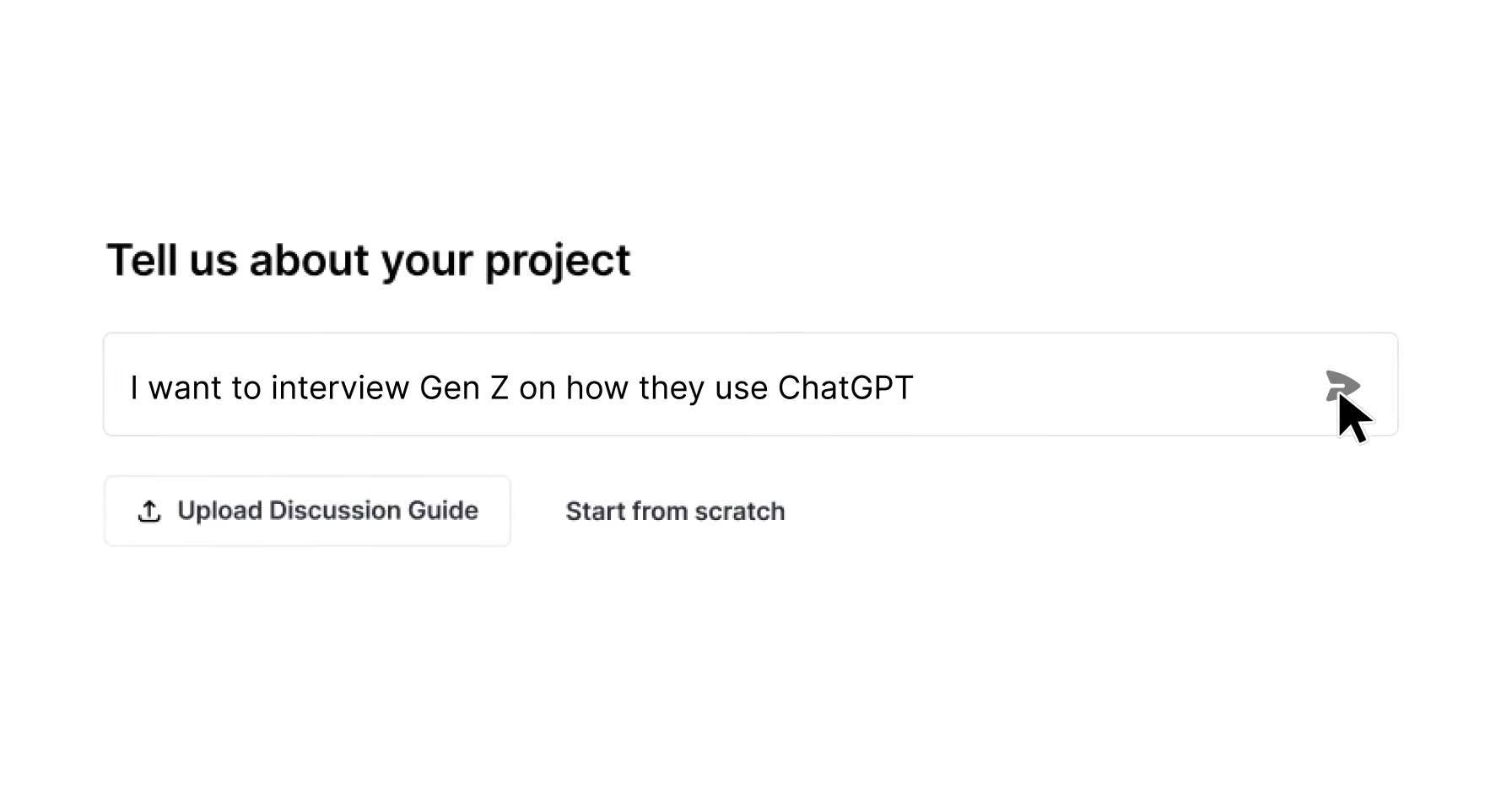
Listen Pulse surfaces respondent-defined themes, emotional signals, and verbatim quotes that trace directly to each KPI shift within the same wave. When a consideration score drops three points, the platform charts the emerging themes that respondents raise in open conversation alongside that movement. The insights team sees both the number and the narrative before the next stakeholder meeting, not six weeks later. One well-known clothing brand, famous for its big logos, was quietly losing customers. Its legacy tracker caught the drop but could not explain it. Pulse revealed that price was not the issue. Style was. A growing group of customers felt the big logos were too loud for their changing lifestyles.
Global Benchmarking and Sample Quality in 45+ Markets
Ipsos maintains global fielding infrastructure across 90+ markets, described as the broadest geographic coverage of any research company, though quality can vary by local office and team assignment. Ipsos operates 50+ owned panels comprising 5.5 million members and access to more than 200 specific audiences for Brand Health Essentials studies, currently available in nearly 30 markets globally. Kantar BrandZ analyzed attitudinal data for over 21,000 brands across 54 markets, creating a deep benchmark base.
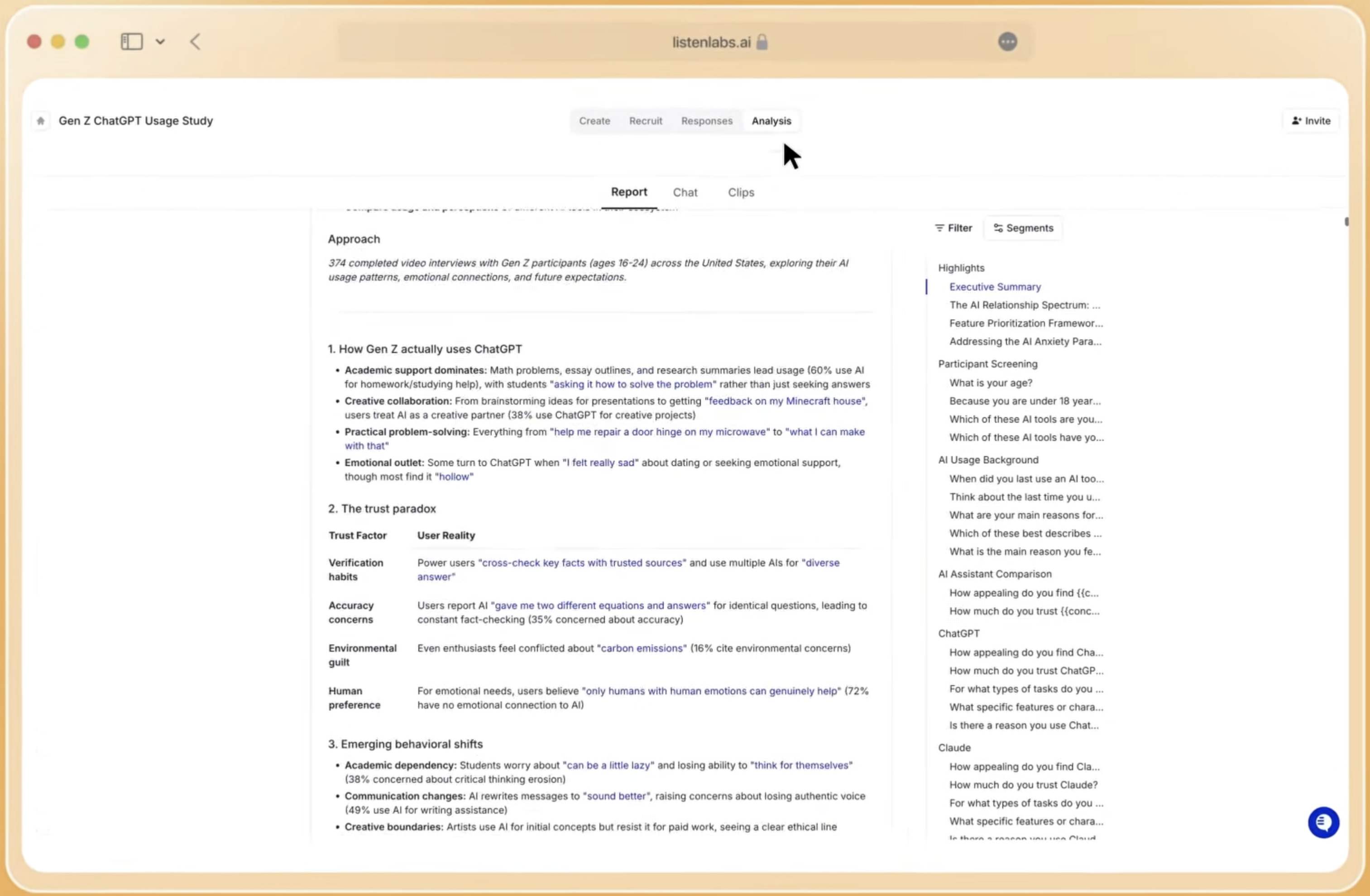
Listen Pulse draws from Listen Labs’ network of 50M+ verified respondents across 45+ countries. Quality Guard, the platform’s AI orchestration layer, matches participants on behavioral and intent data rather than self-reported demographics alone. It monitors every interview in real time for fraud and low-effort responses and limits each participant to three studies per month, which removes the professional survey-taker problem that inflates commodity panel data. Emotional Intelligence analysis runs across 50+ languages, and the platform conducts interviews in 120+ languages, so global programs receive consistent diagnostic depth regardless of market.
Speed and Cost: What Enterprise Teams See in 2026
Ipsos Brand Health Essentials delivers comprehensive brand performance snapshots in days, not weeks. Single-market Ipsos programs such as omnibus surveys typically start at a few hundred dollars per question rather than $75,000–$150,000 per year. Multi-market programs are priced variably. Kantar enterprise contracts for syndicated brand tracking, custom quantitative studies, and category panel data across 75+ countries run roughly $50,000-$500,000+ per year. Enterprise or multi-brand social media agency programs can reach around $600,000 annually at the high end.
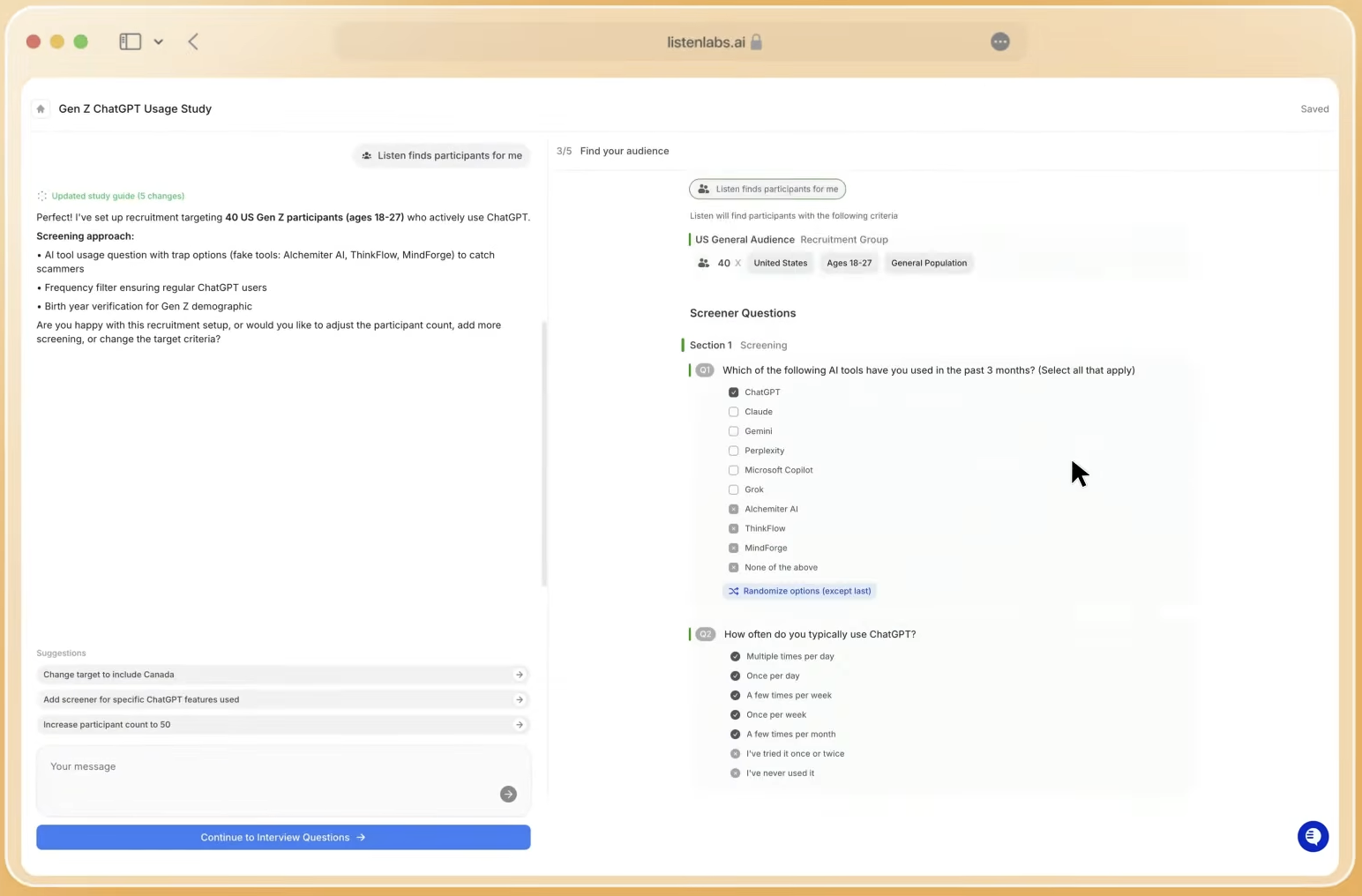
Listen Pulse delivers results in under 24 hours at approximately one-third the cost of traditional research programs. Sweetgreen replaced months-long research cycles with days, scaled research across 300+ US locations, and achieved five times the scale at one-third the cost. Microsoft cut research wait time from weeks to hours, collecting global customer stories within a single day. P&G identified where product claims felt exaggerated or unclear before market launch, receiving 250+ interviews with quantified themes and verbatim proof in hours, not weeks.
See how Pulse integrates with your current program
Linking Brand Metrics to Business Outcomes in Time to Act
Kantar’s validation shows that high Demand Power brands capture 9x higher volume share, brands with high Pricing Power can see consumers spend more, and high Future Power brands are more likely to grow value share. Ipsos Brand Desire is validated against real-world sales data. Both frameworks demonstrate that brand metrics connect to commercial outcomes. The remaining gap lies in explaining the mechanism of movement in time to act on it.
Regular brand health tracking can anticipate market share decline better than sales performance data alone. That advantage grows when the tracker also explains why the decline is forming. Traditional agency trackers report lagging metrics on what the market did and what people say they prefer, which leaves strategic decisions such as repricing, repositioning, or launches unanswered because they cannot address the say-do gap.
Listen Pulse charts emerging themes next to existing KPIs so teams see both the movement and the reason in the same wave. Every number traces back to the interview, verbatim quote, and audio or video clip behind it. Teams can drill into any metric and hear the original explanation from the respondent who produced it.
AI and Always-On Tracking: Continuous Depth Without Breaking Trends
This real-time diagnostic capability depends on infrastructure that can operate continuously rather than in scheduled waves. Modern brand tracking in 2026 runs always-on rather than quarterly or biannually, with monthly tracking as the new baseline for fast-moving CPG, DTC, retail, and QSR categories. Traditional brand tracking studies, often conducted quarterly or twice a year, were designed for a slower marketing environment and now struggle to keep pace with campaigns that launch across multiple channels and cultural conversations that evolve overnight.
Ipsos has introduced myBVC AI, a conversational intelligence layer for brand equity management. Kantar BrandDynamics is described as a tech-enabled, always-on brand tracking solution that uses AI-enriched foresight on business-leading metrics to enable real-time competitor monitoring. Both moves represent progress toward continuous intelligence, yet neither embeds open-ended conversational interviews into the wave itself as a native capability.
Listen Pulse preserves historical comparability by holding core questions constant while deploying AI-moderated conversational interviews in every wave. Emotional Intelligence analyzes tone of voice, word choice, and subconscious micro-expressions across 50+ languages, built on Ekman’s universal emotions framework, so every emotional signal is quantified per question and traceable to the exact timestamp and verbatim quote that produced it. Real-time theme quantification surfaces what is forming in consumer conversation before it registers as a KPI movement. Insights teams gain lead time that wave-based programs structurally cannot provide.
Where Listen Pulse Fits Relative to Ipsos and Kantar
Listen Pulse deploys alongside an existing Ipsos or Kantar tracker or as the primary tracking system. For teams already running a wave-based program, Pulse integrates with Qualtrics and Decipher, preserving the KPIs already reported to stakeholders while adding the conversational layer that explains why those KPIs move. Teams that need to justify a brand-tracking decision to leadership without committing to another six-figure annual contract can use Pulse as the primary instrument from the start.
The case for adding Pulse is strongest when a team has experienced the pattern of receiving a wave report showing that a metric moved, then spending weeks commissioning a separate qualitative study to understand why, only to find that the window for action has closed. “By having the speed to insight, insights can lead to actions. Those actions are then showing up in the real world at real Sweetgreen restaurants within weeks or months instead of years,” said Brian Davia, Head of Consumer and Business Insights at Sweetgreen. “I always struggled with understanding the why and Listen Labs nails this for me,” said the SVP of Data, Insights, and Loyalty at Skims.
Answering Common Questions on AI, Credibility, and Diagnostics
Enterprise buyers often ask whether an AI-native platform can match the analytical credibility of a senior Ipsos or Kantar research team. Listen Labs’ in-house research team brings 50+ years of combined expertise and has built the methodology framework from the ground up, working in lockstep with the engineering team. The AI moderator conducts personalized conversations with dynamic follow-up questions and achieves responses three times longer than average. That depth matches what a trained human interviewer would pursue, delivered simultaneously across thousands of respondents.
On fraud prevention, Quality Guard uses real-time AI monitoring across video, voice, content, and device signals to detect fraudulent responses, AI-generated scripts, and mismatched profiles. Participants are capped at three studies per month. Listen Labs holds SOC 2 Type II, ISO 27001, ISO 27701, and ISO 42001 certifications, is GDPR compliant, and never trains its AI models on customer data. That data policy matters when brand tracking programs contain competitively sensitive positioning research.
On diagnostic depth, the core issue is whether the platform delivers traceable qualitative insight at scale without requiring a separate study. Listen Pulse does this natively. Every theme, every emotional signal, and every verbatim quote links back to the respondent, the wave, and the KPI it explains.
RFP Checklist: Comparing Numbers-Only Trackers to Numbers + Narrative
Enterprise buyers evaluating brand tracking platforms for a 2026 program can use the following criteria to distinguish platforms that deliver both numbers and narrative from those that deliver numbers alone:
- Research speed: Does the platform deliver full wave results in under 24 hours, or does analysis take 4–8 weeks per wave?
- Diagnostic traceability: Does every KPI movement arrive with a traceable qualitative explanation in the same wave, or does explanation require a separate study?
- Trend integrity: Does the platform hold core questions constant wave over wave while allowing timely add-on questions, or does adding new questions break historical comparability?
- Global consistency: Does the platform maintain consistent sample quality, fraud controls, and emotional intelligence analysis across all markets, or does quality vary by local office?
- Sample quality controls: Does the platform use behavioral matching, real-time fraud detection, and participant frequency limits, or does it rely on self-reported demographics and commodity panels?
- Cost transparency: Is pricing structured so that always-on tracking remains financially sustainable, or does continuous depth research require six-figure annual commitments?
- Business outcome linkage: Does the platform chart emerging themes next to existing KPIs in the same report, or are brand metrics and business drivers delivered in separate outputs?
- Integration flexibility: Does the platform connect with existing infrastructure such as Qualtrics and Decipher, or does deployment require replacing current systems?
Request a demo to evaluate Pulse against these criteria
Frequently Asked Questions
How quickly does Listen Pulse deliver full wave results compared to Ipsos and Kantar?
Listen Pulse delivers full wave results in under 24 hours. Ipsos wave-based programs typically require 4–8 weeks for full analysis per wave, and Kantar custom studies operate on similar or longer timelines, with some multi-market programs taking three to six months to first insight. The speed difference is structural. Listen Pulse runs AI-moderated interviews simultaneously across thousands of respondents and generates automated analysis, themes, and deliverables without the manual fieldwork coordination and analyst review cycles that extend traditional agency timelines.
How does Listen Pulse control sample quality across global markets?
The sample quality controls described earlier, including behavioral matching, real-time fraud detection, and participant frequency limits across 50M+ respondents in 45+ countries, apply consistently to every market. Quality Guard monitors each interview for fraud, low-effort responses, AI-generated scripts, and mismatched profiles. A dedicated recruitment operations team adds a human review layer for hard-to-reach segments, so quality does not depend on local office variation.
How does Listen Pulse deliver diagnostic depth without commissioning a separate qualitative study?
Listen Pulse embeds open-ended conversational probes into the same wave as quantitative KPI questions. The AI moderator conducts personalized interviews with dynamic follow-up questions and achieves responses three times longer than average. Emotional Intelligence analyzes tone of voice, word choice, and subconscious micro-expressions across 50+ languages to surface emotional signals that transcripts alone miss. Every theme, emotional label, and verbatim quote is traceable to the exact respondent, timestamp, and KPI it explains, so the diagnostic arrives in the same delivery cycle as the metric.
Does Listen Pulse support multilingual programs, and how does emotional intelligence work across languages?
Listen Pulse conducts interviews in 120+ languages with automatic translation and transcription. The Emotional Intelligence framework described earlier applies Ekman’s seven universal emotions, anger, contempt, disgust, enjoyment, fear, sadness, and surprise, with clinical-grade precision. Emotional labels carry the same meaning whether the interview is conducted in English, Mandarin, or Arabic, which ensures consistent emotional measurement across markets.
Can Listen Pulse deploy alongside an existing Ipsos or Kantar tracker without disrupting current reporting?
Listen Pulse integrates with Qualtrics and Decipher, so teams keep the KPIs they already report to stakeholders while adding the conversational layer that explains why those KPIs move. Core questions stay constant wave over wave to preserve historical comparability and trend integrity. Timely add-on questions can address new campaigns, competitors, or news events without breaking the existing trend line. Pulse can deploy as a conversational diagnostic layer on top of an existing tracker or serve as the primary tracking system for teams building a new program.
Conclusion: Choosing Metrics Alone or Metrics With Explanations
Ipsos and Kantar deliver reliable wave-based KPI reporting backed by validated frameworks and global scale. The structural limitation both share is that metric movement and its explanation arrive in separate instruments, on separate timelines, and at separate cost. By the time a qualitative study explains why consideration dropped, the campaign that caused it has already run, the competitor that benefited has already gained share, and the decision window has closed.
Listen Pulse keeps core questions constant to protect the trend line that stakeholders depend on while adding open-ended conversation, emotional intelligence, and sub-24-hour delivery to every wave. Every metric movement arrives with its traceable explanation, including the theme, the verbatim quote, and the respondent clip, in the same report at roughly one-third the cost of a traditional program. That upgrade is available to any insights team running a wave-based tracker today.
Book a demo to add conversational diagnostics to your existing tracker