Written by: Anish Rao, Head of Growth, Listen Labs
Key Takeaways
- Brand awareness recovery works best as a structured 90-day process that starts by diagnosing the root cause of decline before increasing reach or spend.
- Generic awareness tactics fall short during recovery because they focus on reach while damaged trust and confused brand identity remain unresolved.
- Effective recovery follows three sequential phases with clear goals and KPIs: Diagnose (Days 1–30), Rebuild Trust (Days 31–60), and Re-engage (Days 61–90).
- Continuous customer research, especially AI-moderated interviews, reveals why metrics move and confirms whether recovery messaging resonates.
- Listen Labs accelerates recovery by running hundreds of customer interviews in less than 24 hours—Book a demo to diagnose your brand’s decline before you ramp up recovery tactics.
Why Generic Awareness Advice Fails During Recovery
Standard awareness playbooks with more content, more ads, and more social posts suit brands starting from zero. Recovery starts from damaged trust, a blurred identity, or a disconnected audience. Extra media spend poured into that broken foundation accelerates costs while progress stalls.
The average brand crisis reaches only 30–50% of a brand’s consumer base within the first week, which is far lower than the 80–100% awareness crisis teams often assume. The core issue usually involves perception rather than raw reach. Generic awareness tactics chase reach, while recovery work must change how people feel and what they believe.
The framework below organizes recovery into three phases: Diagnose (Days 1–30), Rebuild Trust (Days 31–60), and Re-engage (Days 61–90). Each phase carries specific objectives, KPIs, and research needs. Teams that skip the diagnostic phase usually see recovery stall or drift.
See a live demo of how Listen Labs runs hundreds of customer interviews in less than 24 hours to diagnose your brand’s decline before you commit major recovery spend.
Phase 1: Diagnose the Decline (Days 1–30)
Recovery only works when you know why awareness dropped. A brand hit by a product quality crisis needs a very different plan than a brand that went quiet during a rebrand or faded into a crowded category.
The diagnostic framework separates four distinct issues:
- Awareness: Do people know the brand exists?
- Consideration: Do they include the brand when making a purchase decision?
- Trust: Do they believe the brand’s promises?
- Distinctiveness: Do they recognize the brand as different from competitors?
To answer these questions objectively, track the following quantitative metrics:
- Branded search volume via Google Search Console
- Social sentiment ratio via social listening tools
- Share of voice relative to key competitors
- Unaided and aided brand recall via surveys
Quantitative metrics identify what moved, but they do not explain why. 71% of CMOs say more than half the brand health metrics they track are “interesting but not actionable.” Direct customer conversations fill the gap between interesting and actionable.
One well-known clothing brand, famous for its big logos, was quietly losing customers. Its existing tracker caught the drop but could not explain it. Listen Pulse revealed that price was not the issue. Style was. A growing group of customers felt the big logos were too loud for their changing lifestyles. That single insight redirected the recovery strategy.
Qual-at-scale tools can engage hundreds or thousands of participants remotely and asynchronously. This approach removes the old trade-off between depth and scale. Listen Labs’ AI-moderated interviews surface the emotional drivers behind a decline, the qualitative “why” that dashboards miss. Teams receive findings in hours, not weeks.
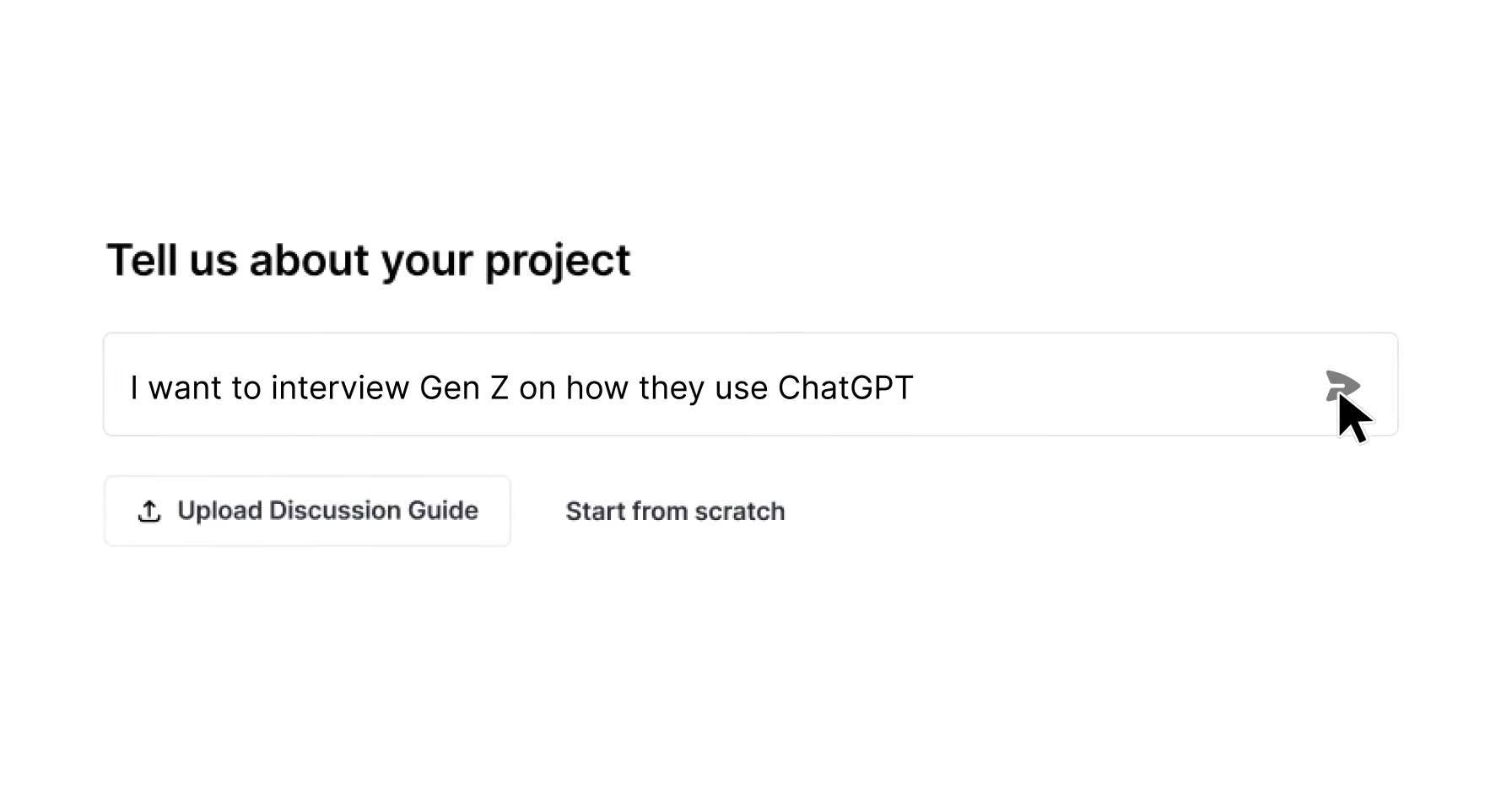
Diagnose your brand’s decline with AI-moderated customer interviews that deliver results in less than 24 hours.
Phase 2: Rebuild Trust and Re-establish Identity (Days 31–60)
Trust repair forms the foundation of recovery. Brands cannot message their way out of a trust problem; they must align product reality, proof, and perception. Launching a new campaign or redesigning brand identity without fixing the experience creates a second disappointment that is harder to repair.
Two recoveries define the standard for this phase:
- Tylenol (1982): Johnson & Johnson recalled 31 million bottles and introduced tamper-proof packaging. Tylenol returned to its pre-crisis market share within about one year, a recovery speed that crisis researchers still cite as exceptional.
- Domino’s (2009): The brand publicly admitted “our pizza wasn’t good enough,” overhauled recipes, and broadcast real customer criticism. The “Pizza Turnaround” campaign drove rising customer satisfaction scores and stock prices over 12–18 months.
Both recoveries followed a similar pattern: honest acknowledgment, visible corrective action, and consistent proof over time. Neither brand relied on a single campaign.
A key part of delivering consistent proof involves a stable brand identity. Inconsistent brand identity is a primary cause of awareness erosion, because shifting logos, colors, tone of voice, and visual style prevent audiences from forming a stable mental image. Recovery teams need to audit every touchpoint and enforce consistency before large-scale re-engagement.
The 3-7-27 rule applies directly to this phase. People typically need to see a brand’s message 3 times to recognize it, 7 times to remember it, and 27 times to build enough trust to take action or purchase. In recovery, this calls for consistent, repeated messaging across all channels rather than a one-time push.
To ensure that repeated messaging stays coherent, recovery teams should audit the five pillars of brand strategy:
- Purpose: Why the brand exists beyond profit.
- Positioning: The unique space it occupies in the customer’s mind.
- Personality: The brand’s voice and character.
- Promise: What the brand consistently delivers.
- Presence: Where and how the brand shows up.
Teams should test new messaging with real customers before launch. Listen Labs’ Emotional Intelligence analyzes tone of voice, word choice, and subconscious micro-expressions to reveal how people feel about recovery messaging, not just what they say. For example, two messages can receive identical ratings while triggering very different emotional responses. That distinction shows whether trust repair is actually working.
Test your recovery messaging with real customers before you commit to a full campaign.
Phase 3: Re-engage Audiences Across Channels (Days 61–90)
With diagnosis complete and trust repair underway, the re-engagement phase expands reach in a controlled way. Brands with share of voice higher than their market share tend to grow, a concept called “excess share of voice” that predicts future growth better than almost any other brand metric. Re-engagement is the phase where teams rebuild that share of voice.
Employee advocacy offers one of the highest-leverage tools in this phase. The average employee’s network is 10x larger than a company’s follower base, and 63% of consumers trust messages from “people like me” far more than messages from corporate spokespeople. Content shared by employees receives 8x more engagement than the same content shared from brand channels.
Additional re-engagement tactics for this phase include:
- Organic content that shows the changes made during Phase 2
- Strategic partnerships with complementary brands to share audiences
- Customer stories and video testimonials that humanize the recovery
- Paid media amplification of content that already shows organic traction
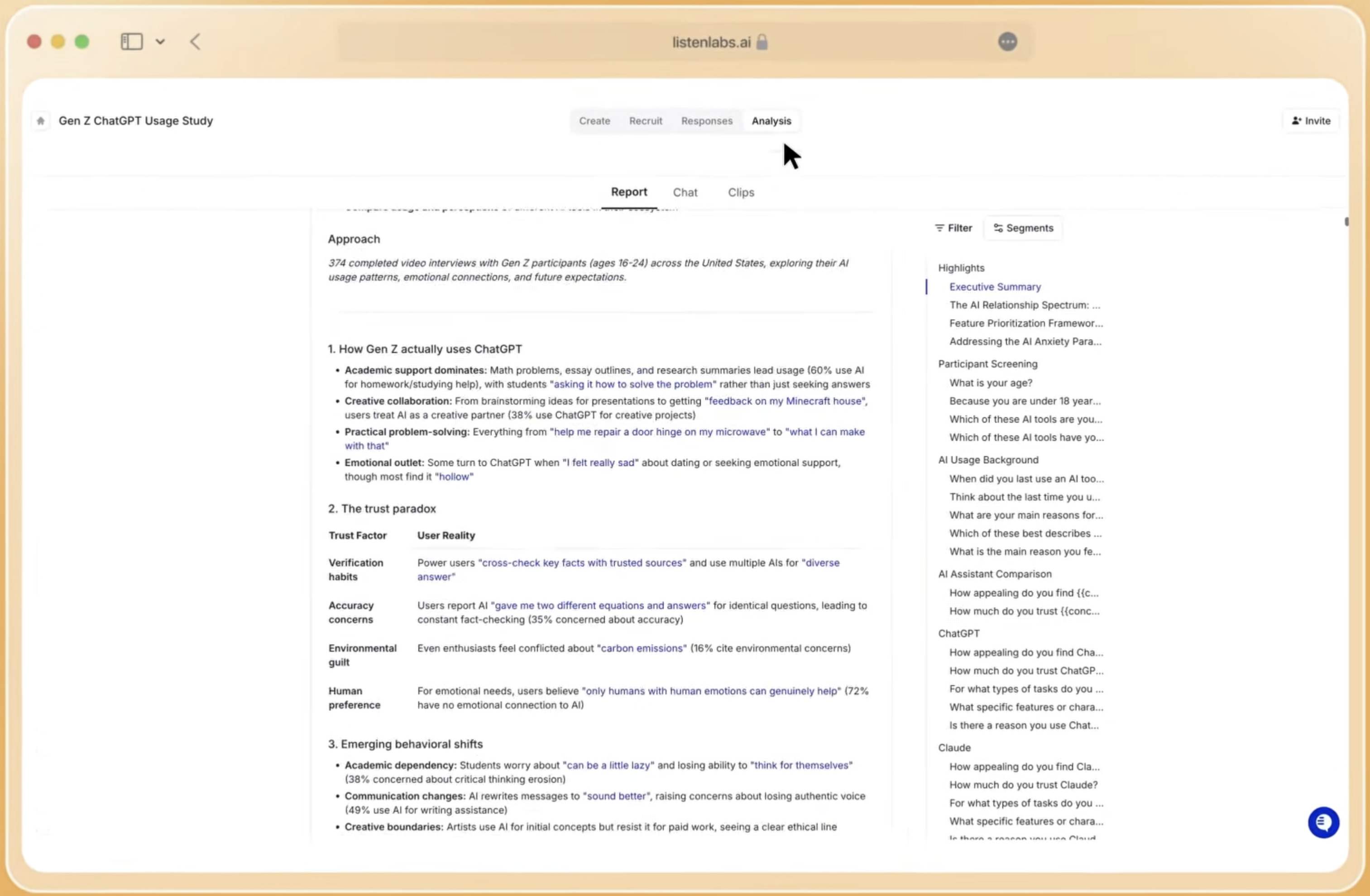
Listening continues during re-engagement. Listen Pulse, a conversational tracker, runs the same study wave after wave and surfaces emerging themes before they appear in KPIs. It analyzes tens of thousands of responses continuously and charts each theme alongside the metrics already reported. If re-engagement messaging lands differently with specific audience segments, Pulse surfaces that signal in time to adjust, not after the quarter closes.
Measuring Recovery Success: A Dashboard That Matters
A useful recovery dashboard tracks leading indicators as well as lagging outcomes. The metrics below form a practical set for the 90-day window:
- Branded search volume: Track weekly via Google Search Console. Branded search volume should return to within 10% of pre-crisis baseline within 90 days of corrective action.
- Sentiment score: Track via social listening and aim for net neutral or positive within 30 days of corrective action.
- Share of voice: Track monthly and watch for stabilization or growth relative to competitors.
- Brand lift: Measure via targeted surveys at 90 days post-launch.
- Customer interviews: Conduct monthly during the first 90 days, then quarterly.
A spike in social mentions signals a short-term reaction. A sustained increase in branded search volume over two or more quarters signals a long-term trend. When five or more of the eight brand awareness metrics move in the same direction over two consecutive quarters, teams can treat that as a real shift; anything less looks like noise.
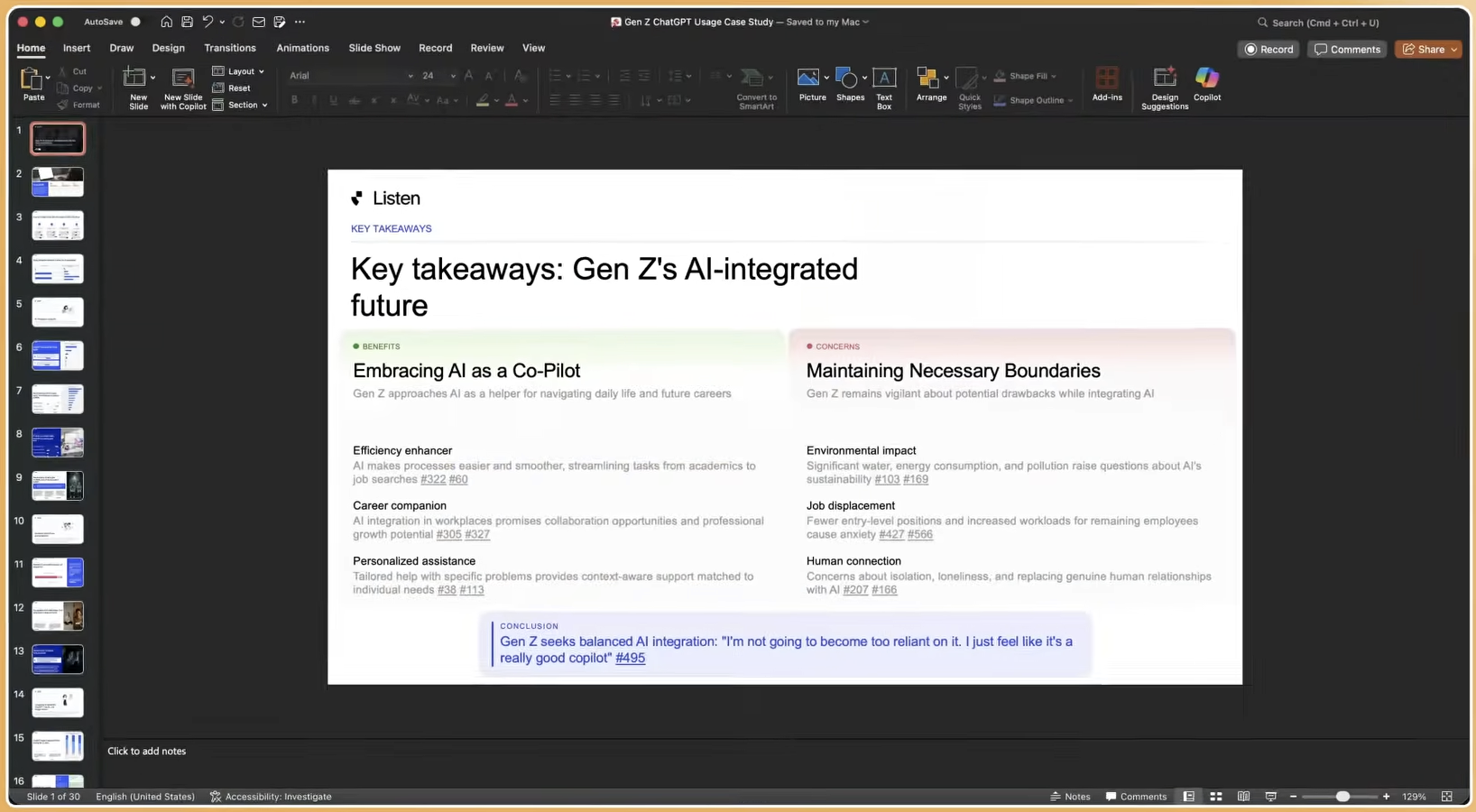
Listen Labs’ Research Library lets teams query all past studies at once to track how sentiment evolves across waves. Every answer traces back to the original study, discussion guide, and individual respondent. Recovery does not end when a dashboard turns green. Customers decide when recovery is complete.
Build a recovery dashboard that explains the numbers instead of just reporting them.
Frequently Asked Questions
How long does brand awareness recovery take?
Most brands see measurable improvement in tracked metrics within 3–6 months of consistent corrective action. Full recovery to pre-crisis trust levels usually takes longer. PR Week’s analysis of major brand incidents shows an average recovery timeline of 3.7 years to return to pre-crisis trust and preference levels. Recovery speed depends heavily on three variables: the severity and type of decline, the speed and quality of the initial response, and whether the brand had strong awareness infrastructure in place before the decline. Brands with established content, review systems, and defined response protocols recover significantly faster than brands building that infrastructure during the crisis.
What is the 3-7-27 rule in branding?
The 3-7-27 rule describes the repetition required for brand messaging to move from awareness to trust. As mentioned earlier, a person typically needs to encounter a brand’s message 3 times to recognize it, 7 times to remember it, and 27 times to build trust. In a recovery context, this rule argues against one-time campaigns and supports consistent, repeated messaging across multiple channels. It also shows why teams should test and refine recovery messaging before broad deployment, because 27 exposures to the wrong message deepen the wrong association.
How do I measure brand awareness decline?
Branded search volume via Google Search Console offers the most accessible starting point. It is free, updates in near-real-time, and correlates strongly with broader awareness trends. Declining branded search volume acts as an early warning signal because it reflects real consideration behavior rather than passive exposure. Pair branded search data with social sentiment tracking, share of voice monitoring, and unaided brand recall surveys for a complete view. Unaided recall, which asks consumers which brands they know in a category without prompting, predicts purchase intent better than aided recall. Run customer interviews alongside quantitative tracking to understand the emotional and perceptual reasons behind any metric movement.
Can employee advocacy really help with brand recovery?
Employee advocacy ranks among the most cost-effective re-engagement tools during recovery. As noted earlier, employee networks are significantly larger than brand channels and generate much higher engagement. The trust differential matters as much as the reach differential, because consumers consistently rate employees as more credible sources of brand information than corporate spokespeople or paid advertising. A structured employee advocacy program with curated content, clear guidelines, and recognition systems converts that trust advantage into measurable reach. Companies with strong employee advocacy programs grow brand awareness up to five times faster than those relying on corporate channels alone.
How often should I conduct brand research during recovery?
Run research monthly during the first 90 days, then quarterly at minimum. Public perception can shift quickly in either direction during an active recovery, and teams that check in only quarterly often miss the window to course-correct before a negative trend compounds. Continuous research, using the same study wave after wave with consistent core questions, provides the trend integrity needed to separate real shifts from statistical noise. The qualitative component of each wave matters just as much. Knowing that a metric moved helps less than knowing why it moved and which audience segment drove the change. Monthly research during recovery functions as the mechanism that keeps the plan on track.
Conclusion: Recovery Is a Process, Not a Campaign
Brand awareness recovery works best as a structured, phased approach. Teams diagnose the decline with direct customer research, rebuild trust through visible corrective action and consistent messaging, and then re-engage audiences systematically across channels. Each phase depends on the one before it, and re-engagement without trust repair produces reach without credibility, while trust repair without diagnosis produces solutions to the wrong problem.
Continuous customer research connects all three phases. It enables accurate diagnosis in Phase 1, confirms that trust repair messaging lands in Phase 2, and tracks whether re-engagement builds durable recognition or only temporary visibility in Phase 3. With AI-moderated interviews, talking to customers at scale is no longer the hard part; the challenge lies in understanding what they mean and acting before the window closes.
Listen Labs has conducted over 1 million AI-powered customer interviews for enterprises including Microsoft, P&G, and Sweetgreen, compressing research cycles from weeks to hours without sacrificing depth. Recovery reflects what customers experience repeatedly, and customers decide when it is complete.
Turn your brand awareness decline into a recovery story backed by real customer evidence.