
Written by: Anish Rao, Head of Growth, Listen Labs
Key Takeaways
- Most affordable Latana alternatives report metric movements without explaining the underlying causes.
- Latana’s Essential plan starts at €7,900 per market per year, which stretches many mid-market budgets.
- Tracksuit, Attest, and Behavio provide lower-cost quantitative tracking but still leave teams guessing when metrics shift.
- Listen Pulse pairs quantitative KPIs with open-ended customer conversation in every wave, so teams see the “why” behind each movement.
What This Comparison Covers And Why Price Alone Falls Short
This article benchmarks brand tracking software that fits mid-market budgets. These teams usually sit in the $30M–$100M revenue range, have outgrown spreadsheet tracking, and cannot justify enterprise-tier pricing. Latana’s published Essential plan runs €7,900 per market per year, with its Pro plan at €18,900, and contracts start at 12 months. The comparison covers quantitative trackers such as Tracksuit, Attest, and YouGov BrandIndex, along with conversational options like Listen Pulse. The type of insight you need should drive your choice, and price should support that decision.
How We Evaluated Each Alternative
Each tool in this comparison was assessed against six criteria:
- Price: Annual cost per market, benchmarked against Latana’s published pricing.
- Depth of Insight: Whether the tool explains why metrics move or only reports that they moved.
- Ease of Use: Whether non-researchers can interpret and act on the data without specialist support.
- Sample Quality: How respondents are sourced and what fraud protections exist.
- Global Reach: How many markets and languages the platform supports.
- Analysis Capabilities: Available reporting, segmentation, and export options.
A tracker that only reports numbers without context leaves your team guessing, and guessing is expensive. For instance, when consideration drops 4 points, the question that matters is why, not just by how much.
How Each Brand Tracker Performs Against These Criteria
Latana: Precision Baseline With Higher Cost
Latana is a technically rigorous brand tracker. Its MRP-based methodology produces statistically reliable segment-level data from smaller sample sizes than traditional trackers require, and its global coverage spans 150+ markets. Published pricing sits at €7,900 per market per year for Essential and €18,900 per market per year for Pro. Brand association measurement uses predefined attributes rather than open-ended responses, so the platform reports whether “innovative” increased but does not surface new associations customers may have formed. It reports the metric shift without explaining the cause.
Tracksuit: Dashboard Replacement With Limited Explanation
Tracksuit is the most direct dashboard-style replacement for Latana at a lower price point. Its subscription tiers run $99, $199, and $299 per month, while a full single-market program costs between $25,000 and $40,000 per year. It runs continuous consumer studies through Dynata and CINT across 25 markets, and its dashboards suit marketers without a research background. Subscription dashboards like Tracksuit tell you a metric moved but do not explain why it moved. The tool flags the drop and leaves the explanation open.
Attest: Flexible DIY Surveys With Hidden Effort
Attest is a flexible consumer research platform that lets teams build custom surveys and pay for specific audiences. Its DIY model gives teams control over study design, and that control comes with a hidden cost. You design the study, analyze the data, and interpret the results. Attest sits in the mid-market pricing tier of $600–$1,500 per month alongside Tracksuit and Latana. For teams without dedicated research expertise, the internal effort required can erode cost savings quickly.
Behavio: Behavioral Focus With Limited Conversation
Behavio focuses on behavioral data and sits at a lower price point than Latana. Its methodology emphasizes implicit measurement of brand associations and mental availability. For many mid-market teams, the limitation is clear. The platform does not provide the conversational depth needed to understand why customers feel or act a certain way. Like other quantitative trackers, it surfaces what changed and leaves the reasons unclear.
YouGov BrandIndex: Enterprise Reach For Enterprise Budgets
YouGov BrandIndex offers daily syndicated data across thousands of brands with enterprise-only custom pricing. Its fixed question set limits flexibility for category-specific questions, and its pricing structure makes it overpowered for most mid-market teams. It suits organizations with daily data needs and a six-figure research budget more than teams seeking affordable Latana alternatives.
Listen Pulse: Conversational Tracking For Mid-Market Teams
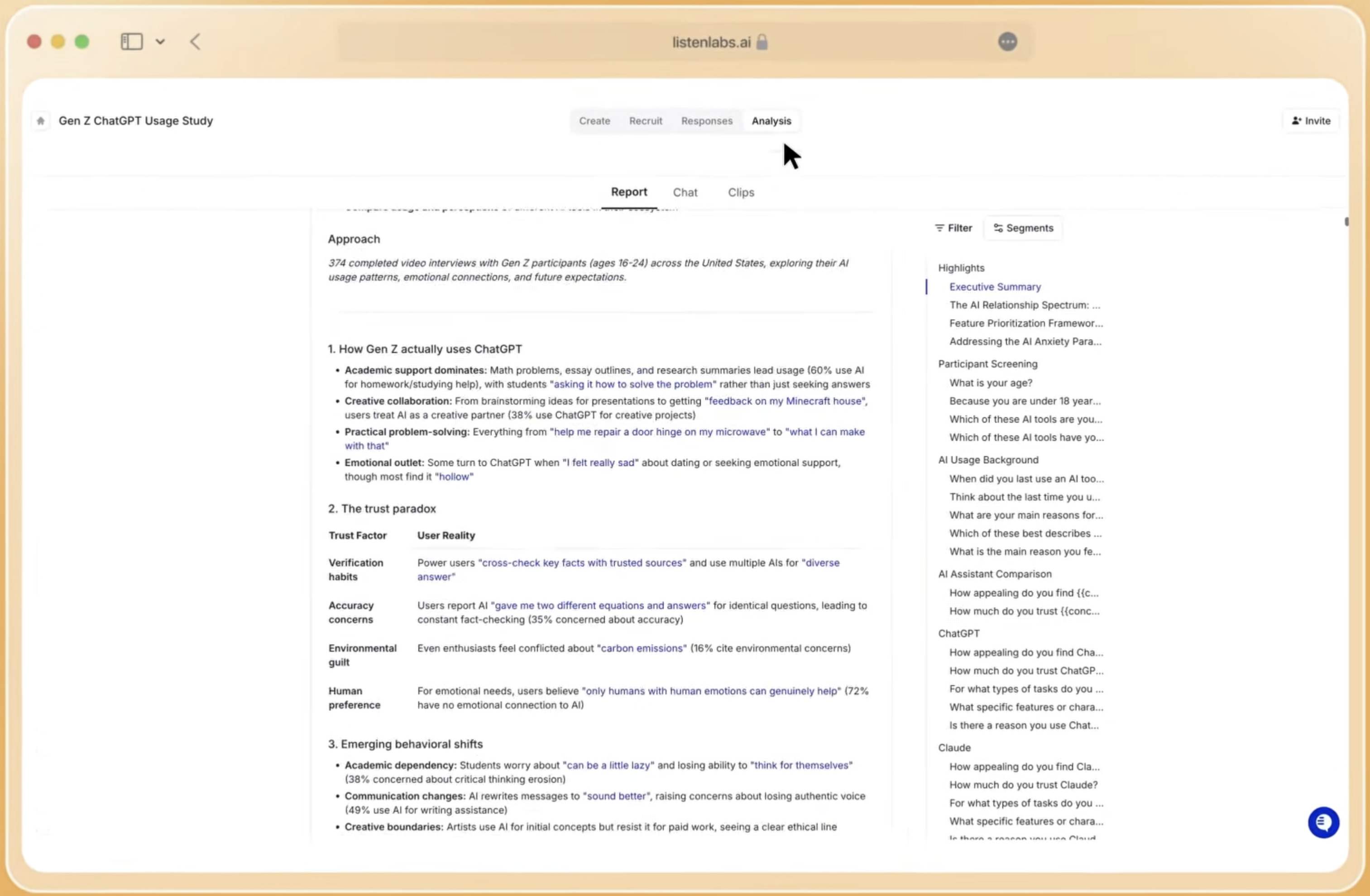
Among the conversational options, Listen Pulse stands out for pairing quantitative KPIs with open-ended customer conversation in the same instrument. Core tracking questions stay constant wave over wave to protect the trend line. Open-ended questions give customers space to raise what actually matters without forcing them into predefined attribute lists. Metric movements appear with explanations charted next to each KPI.
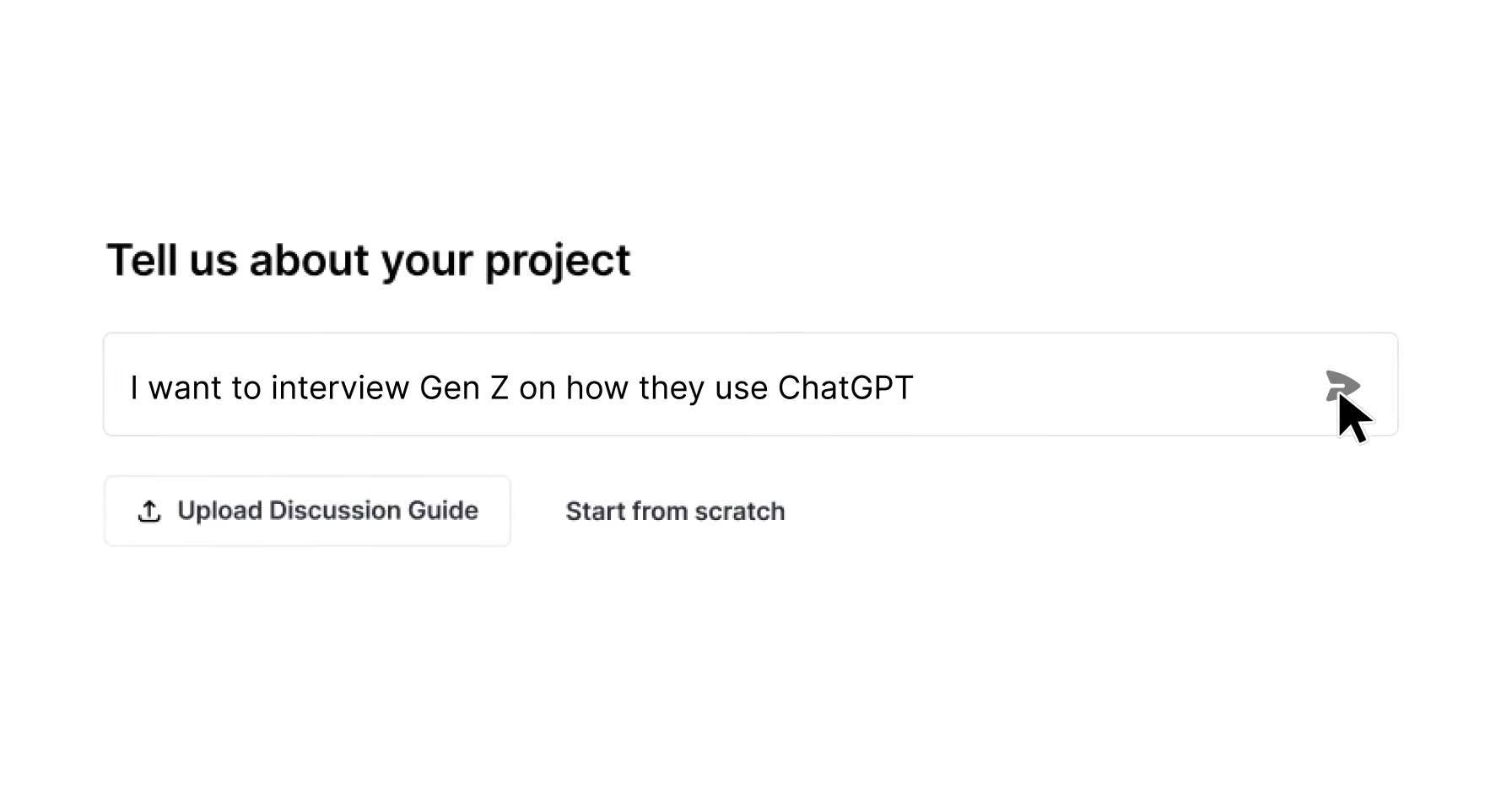
The practical impact shows up in real programs. One well-known clothing brand, famous for its big logos, was quietly losing customers. Its existing tracker flagged the decline but did not clarify the driver. Listen Pulse surfaced that style preferences had shifted. A growing group of customers felt the big logos were too loud for their changing lifestyles. That insight arrived in the same wave as the KPI decline, without a separate qualitative study or a six-week delay.
Listen Pulse is a cost-effective alternative to traditional research. It integrates with Qualtrics and Decipher so teams keep the KPIs they already report. It can run alongside an existing tracker or serve as the primary tracking system. Its Research Library lets teams query past studies in natural language, so individual waves build into a long-term intelligence asset instead of isolated snapshots.
Which Tool Fits Your Situation? Scenario-Based Guidance
Given these trade-offs, the right choice depends on your budget, research expertise, and need for the “why.” Here is how to match a tool to common situations:
- Tight Budget, Pure Quantitative Tracking: Tracksuit or Attest can work if you have internal research expertise to interpret the numbers and accept that you will need extra work to understand why metrics move.
- Need To Understand Why Metrics Change: Listen Pulse fits teams that want every KPI movement supported by customer verbatim in the same wave, rather than through a separate follow-up study.
- Enterprise-Scale Needs With High Budgets: YouGov BrandIndex suits organizations that can afford daily syndicated data and can live with a fixed question set.
- Mid-Market Brand That Needs To Act Fast: Fast access to the “why” supports quick decisions. When consideration drops, waiting weeks for a separate qualitative study slows response and increases risk.
Beyond Features: Operational And Long-Term Fit
Operational demands vary widely across these tools. Attest’s DIY model demands research methodology knowledge that most mid-market marketing teams do not have on staff. Latana’s MRP-modeled outputs require someone who can defend a modeled number to leadership, a skill set Latana itself acknowledges is necessary. In contrast, Listen Pulse deploys alongside existing trackers or as a primary system. Its Research Library enables teams to query the full body of past research in natural language, so institutional knowledge compounds instead of expiring with each project wave.
Learn how Listen Pulse fits into your current research stack in a short demo.
Key Limitations To Keep In Mind
- Latana: As noted earlier, its price and predefined-attribute approach limit discovery of new associations and stretch many mid-market budgets.
- Tracksuit: Full programs sit in the $25K–$40K range per market, and its quantitative focus leaves the reasons behind changes unclear.
- Attest: The DIY model requires internal research expertise, and costs grow with custom studies and analyst time.
- YouGov BrandIndex: Enterprise pricing and a fixed question set make it more suitable for large organizations than mid-market teams.
- Listen Pulse: Newer to market than legacy trackers and best suited for teams that prioritize understanding the “why” behind metrics and want more than dashboard-only reporting.
The idea that affordable trackers cannot provide deep insights deserves a direct response. Listen Pulse challenges that assumption by pairing quantitative KPIs with conversational depth at a fraction of traditional research costs, without requiring a separate qualitative study every time a number moves.
Decision Framework: Choosing Your Affordable Latana Alternative
With those limitations in mind, this simple framework can guide your choice:
- If your budget is under $5K per year and you need basic awareness and consideration tracking, Tracksuit’s lower software tiers may suffice, as long as you accept limited insight into causes.
- If you have research expertise in-house and want flexible DIY surveys, Attest is worth evaluating.
- If you need to understand why metrics move and have a mid-market budget, Listen Pulse provides that depth within an affordable structure.
- If you are an enterprise with daily data needs and a six-figure budget, YouGov BrandIndex remains an option.
Frequently Asked Questions
What Is the Cheapest Latana Alternative?
Tracksuit and Attest offer lower entry points than Latana. Tracksuit’s software tiers start at $99 per month, though full single-market programs sit in the $25K–$40K range. Attest’s per-study pricing can be lower for occasional research. Both lack qualitative depth and will tell you that a metric moved without explaining why. For teams that need the “why” built into the tracking instrument itself, Listen Pulse offers a cost-effective option designed to deliver decision-ready insights.
How Does Latana Pricing Compare to Alternatives?
Latana’s Essential plan starts at €7,900 per market per year and its Pro plan at €18,900 per market per year, with all contracts starting at 12 months. Later references in this article use that entry price as a benchmark. Tracksuit’s full programs sit in the $25K–$40K range per market. YouGov BrandIndex is enterprise-only with custom pricing. Listen Pulse provides a more affordable approach to brand tracking and integrates with tools teams already use, such as Qualtrics and Decipher.
Can Affordable Brand Tracking Tools Explain Why Metrics Change?
Most affordable trackers cannot. The structural limitation of many survey-based trackers, including Latana and Tracksuit, is that they measure position without diagnosing cause. A metric can move because of a campaign, a competitor’s stumble, seasonality, or sampling noise, and a repeated cross-sectional survey has no built-in mechanism to separate those drivers. Listen Pulse takes a different approach. It combines quantitative KPIs with open-ended conversation in every wave, so metric movements arrive with customer explanations attached in the same instrument.
Is Listen Pulse Suitable for Mid-Market Brands?
Listen Pulse is designed for teams that need continuous brand tracking with the “why” built in, without enterprise pricing or a dedicated research team to interpret modeled outputs. It can deploy alongside an existing tracker or as the primary tracking system. It integrates with Qualtrics and Decipher, and its Research Library turns each wave into part of a compounding intelligence asset rather than a standalone report.
What Makes Listen Pulse Different from Other Brand Trackers?
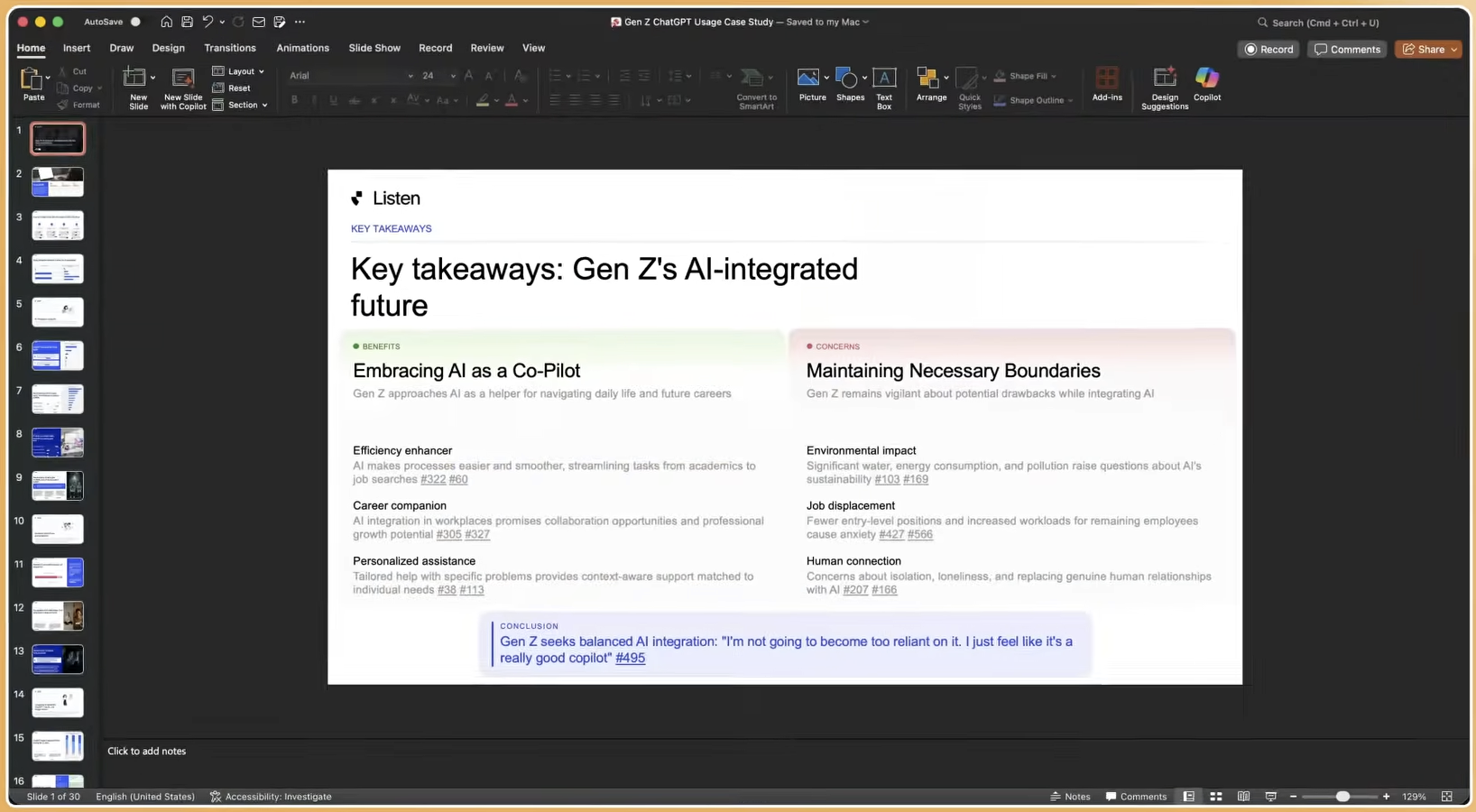
Most brand trackers at any price point are quantitative instruments. They measure whether awareness, consideration, or preference moved. Listen Pulse runs the same study with the same screeners wave after wave and adds open-ended conversation to every wave. The AI analyzes open-ended responses, sorts them into themes, and quantifies those themes. It then charts each theme next to the KPIs teams already report. Core questions stay constant to protect the trend line, and timely add-on questions cover new campaigns, competitors, or news events without breaking historical comparability. Every number traces back to a real interview, a verbatim quote, and an audio or video clip.
Conclusion: Choose A Tracker That Explains Its Own Numbers
Most affordable Latana alternatives mirror Latana’s core blind spot. They report that a metric moved without explaining what drove the movement. A cheaper subscription often buys the same measurement uncertainty more frequently and leaves the “why” unresolved. Listen Pulse is a conversational tracker in the affordable tier that closes that gap by design, pairing quantitative KPIs with open-ended customer conversation in every wave. Teams that feel tired of commissioning expensive follow-up studies every time a KPI drops can move to a different model of tracking.
See Listen Pulse in action to understand how it explains your brand metrics.