
Written by: Anish Rao, Head of Growth, Listen Labs
Key Takeaways
- Traditional brand trackers like Kantar report KPI shifts but rarely explain why metrics move, which limits strategic decisions.
- Modern alternatives differ in methodology, speed, and diagnostic depth, from daily benchmarking (YouGov) to self-serve agility (Tracksuit) and enterprise managed research (Ipsos).
- The most useful platforms combine quantitative KPIs with qualitative conversation in the same wave, so teams see both movement and cause.
- Continuous, AI-moderated tracking shortens research cycles from weeks to hours while preserving trend-line integrity and lowering costs versus legacy trackers.
- Listen Labs’ Listen Pulse is the only solution in this comparison that delivers both the metric change and its explanation in a single wave, making it a fit for teams that need diagnostic depth.
What To Look For In A Kantar Alternative
Brand tracking is the systematic, recurring measurement of brand health metrics such as awareness, consideration, perception, and loyalty. It relies on consistent methodology to detect changes over time and guide strategic decisions.
Five criteria separate adequate solutions from genuinely useful ones.
- Methodology: Wave-based trackers collect data at fixed quarterly intervals and produce a snapshot. Continuous tracking collects responses steadily all year and reports on a rolling basis, which smooths out short-term noise, captures always-on marketing effects, and lets you pinpoint when a metric started to move.
- Data Collection Approach: Quant-only trackers deliver structured KPI scores. Qual-plus-quant trackers combine those scores with open-ended conversation, so the number and its explanation arrive together.
- Frequency And Speed Of Insights: A typical Fortune 500 brand tracker still takes 4–8 weeks per wave and delivers a static PDF report that arrives after the marketing decisions it was meant to inform have already been made. Modern alternatives compress that cycle significantly.
- Global Reach And Panel Quality: Market coverage, sample representativeness, and fraud prevention determine whether trend lines reflect real consumer movement or panel noise. Panel-based data collection is the default for brand tracking because it is the only method where you can hold the demographic mix constant wave over wave, a prerequisite for a credible trend line.
- Diagnostic Depth: A statistically significant wave-over-wave change in a brand tracker only indicates the shift is unlikely to be sampling noise; it does not explain what caused the shift. The most valuable platforms close that gap.
Brand tracking methodology is built to show whether a brand is growing, holding, or slipping, but it does not by itself identify the underlying cause of change. Every alternative below should be evaluated against that limitation.
Top Kantar Alternatives
Nine alternatives stand out, ranging from global daily trackers to self-serve platforms to diagnostic systems. They appear here in a loose order from the most established global players to the most diagnostic options.
Yougov Brandindex: Daily Benchmarking At Global Scale
Yougov Brandindex provides daily brand and competitor tracking across 56 markets worldwide, covering 27,000+ brands tracked daily with access to up to 16 brand health metrics, including advertising awareness, consideration, purchase intent, quality, and corporate perception. Yougov Brandindex carries over 18 years of historical data, which makes it a strong option for multinational brands that need long trend lines and daily benchmarking.
Best For: multinational brands needing daily benchmarking and deep historical comparison. Limitation: Daily panel tracking tells you what consumers think, not what they are saying in live conversation.
Ipsos: Enterprise-Grade Custom Trackers
Ipsos Brand Health Essentials is an agile brand tracking solution that delivers a comprehensive snapshot of brand performance in days, not weeks, leveraging Ipsos’ global reach and research capabilities to provide high-quality data on profiled and secure audiences. Ipsos combines global reach with custom, managed research programs and rigorous methodological execution. It suits organizations that want a partner to design and run complex trackers across many markets.
Best For: enterprises needing cross-market consistency and research team support embedded in the program. Limitation: custom pricing and project governance slow agile teams that lack dedicated research operations.
Tracksuit: Self-Serve, Agile, Mid-Market
Tracksuit is an always-on brand tracking platform that launches in 30 days and updates monthly, tracking brands in 25 markets globally, including the US, UK, Australia, Germany, France, and Japan. Tracksuit’s entry-level pricing is $800/month, a price point that claims to offer brand tracking at roughly one-tenth the cost of traditional brand tracking firms. Tracksuit serves over 1,000 consumer brands worldwide.
Best For: mid-market and DTC brands needing accessible, shareable dashboards without enterprise complexity. Limitation: the platform focuses on KPI dashboards rather than explaining why metrics move, so diagnostic depth remains limited.
Savanta: Brand Tracking With Consultancy Support
Savanta offers full-service brand tracking with strategic consultancy support embedded in the research program. Instead of a purely self-serve dashboard, Savanta provides research expertise alongside the data, which appeals to teams that want guidance on interpretation and action.
Best For: teams that want a research partner and are willing to trade some self-serve flexibility for strategic guidance. Limitation: the managed service model reduces speed and autonomy for highly agile teams.
Latana: Brand Tracking For Challenger Brands
Latana is a dedicated brand tracking platform offering awareness, consideration, perception, and audience segment tracking with monthly updates, segmentation with margin of error visibility, and trend-line models and KPI predictions, priced from €7,900 per market/year for its Essential tier. It focuses on growth-stage and challenger brands that need structured tracking without enterprise overhead.
Best For: challenger brands and growth-stage companies that need a dedicated tracking platform at a more accessible price point than enterprise incumbents. Limitation: the global footprint is smaller than Kantar, Yougov, or Ipsos for brands operating across many markets simultaneously.
Qualtrics: Survey-Based Tracking With XM Integration
Qualtrics provides robust survey infrastructure integrated with its broader experience management ecosystem. Teams already invested in the Qualtrics platform can add brand tracking into existing workflows and reporting environments.
Best For: organizations already running their research stack on Qualtrics that want to consolidate vendors. Limitation: the platform is quant-only by default, so explaining metric movement requires separate qualitative research, which adds time and cost.
Attest: Self-Serve Consumer Research Platform
Attest provides direct access to a global audience through an intuitive self-serve platform, which lets teams run their own research without agency support. It suits marketers who value speed and control for ad-hoc studies.
Best For: teams that want research independence and do not have a dedicated research function. Limitation: it fits ad-hoc consumer research better than continuous brand tracking, and maintaining a clean trend line is harder in a fully self-serve model.
Morning Consult: High-Frequency Brand Intelligence
Morning Consult delivers daily survey data with next-day turnarounds, making it one of the fastest options for consumer sentiment reads. Its strength lies in rapid feedback on news cycles and campaign effects.
Best For: teams that need rapid reads on brand sentiment in response to news events, campaigns, or competitive moves. Limitation: the system prioritizes speed over diagnostic depth and reports what shifted rather than why it shifted.
Listen Pulse: Conversational, Diagnostic Brand Tracking
Listen Pulse is Listen Labs’ always-on conversational brand tracker and the only solution in this comparison that delivers the metric change and its explanation in the same wave. Pulse runs the same study with the same screeners wave after wave. It combines structured KPIs with open-ended conversation in a single instrument and analyzes tens of thousands of responses around the clock. Every metric movement comes with the qualitative narrative behind it, with emerging themes charted directly alongside the KPIs you already report and every number traceable to a real person’s words, verbatim quote, and video clip.
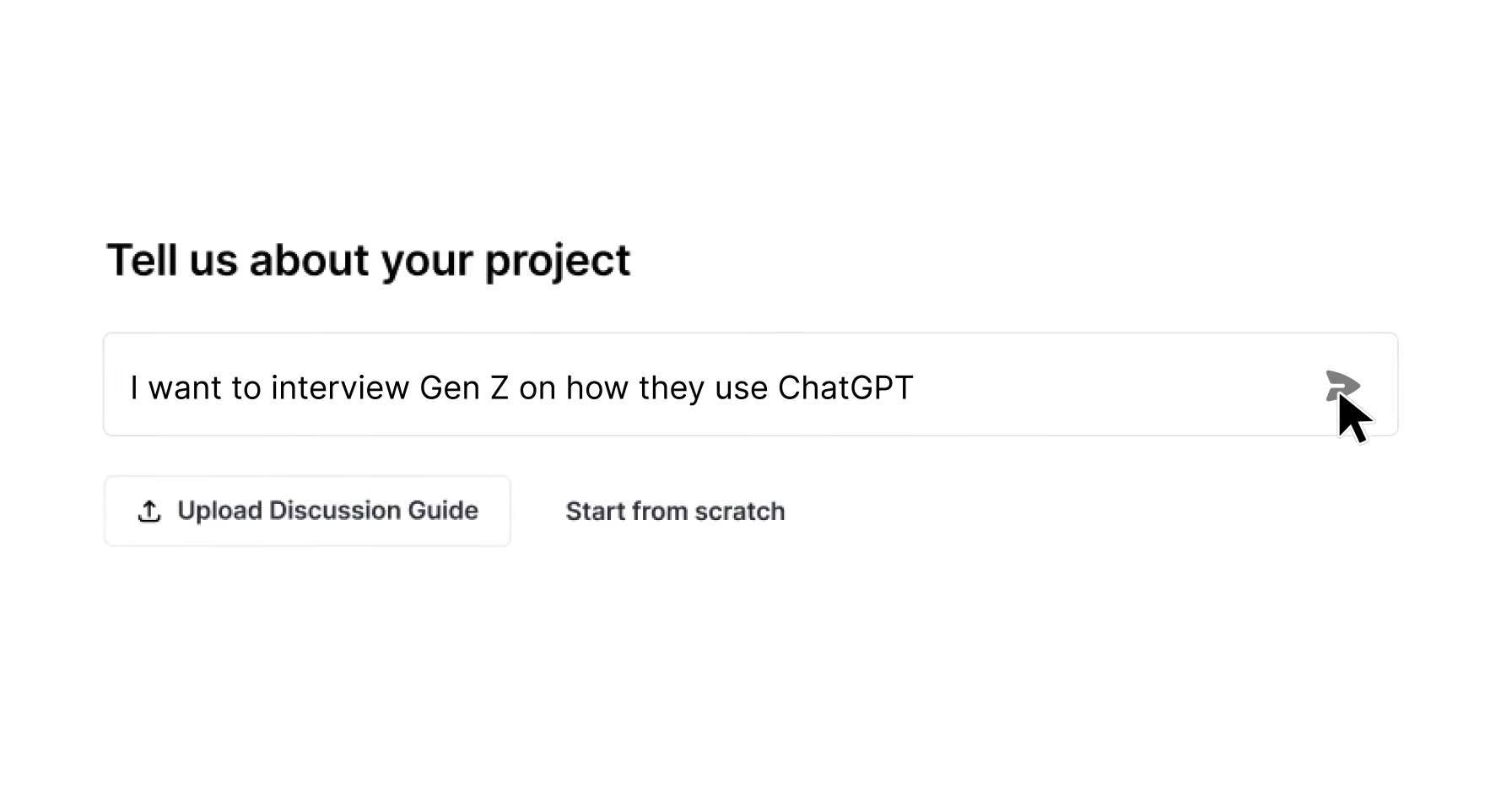
Core questions stay constant to protect the trend line, while timely add-on questions cover new campaigns, competitors, or news events without breaking historical comparability. Because Pulse integrates with Qualtrics and Decipher, teams keep the KPIs they already report while adding the diagnostic layer they have been missing, whether it deploys alongside an existing tracker or as the primary system. This integration lets Pulse surface shifts before they hit your KPIs by identifying emerging themes in customer conversations before they appear as a decline in tracked metrics, which turns a lagging indicator into an early warning system.
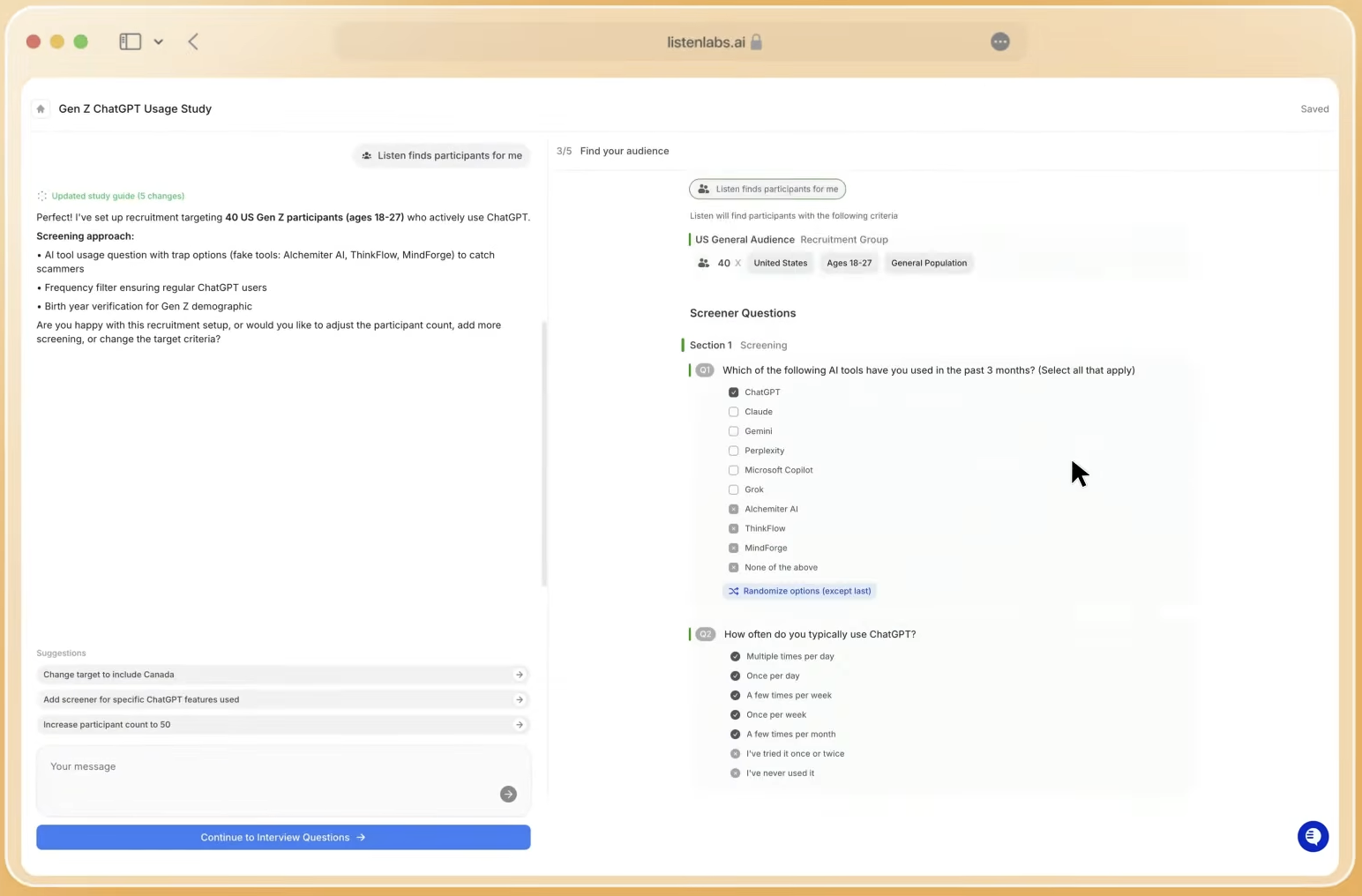
Best For: teams that need to understand why metrics move, with that explanation arriving in the same wave as the number rather than weeks later from a separate qualitative study.
How To Choose A Kantar Alternative
Three core decisions narrow the field quickly and help match platforms to real needs.
Cadence: Daily, Continuous, Or Wave-Based YouGov BrandIndex is the only option in this group built for daily benchmarking across a large global footprint. Tracksuit delivers monthly always-on tracking at an accessible price point. Listen Pulse provides continuous tracking and adds a diagnostic layer that explains movement within the same wave.
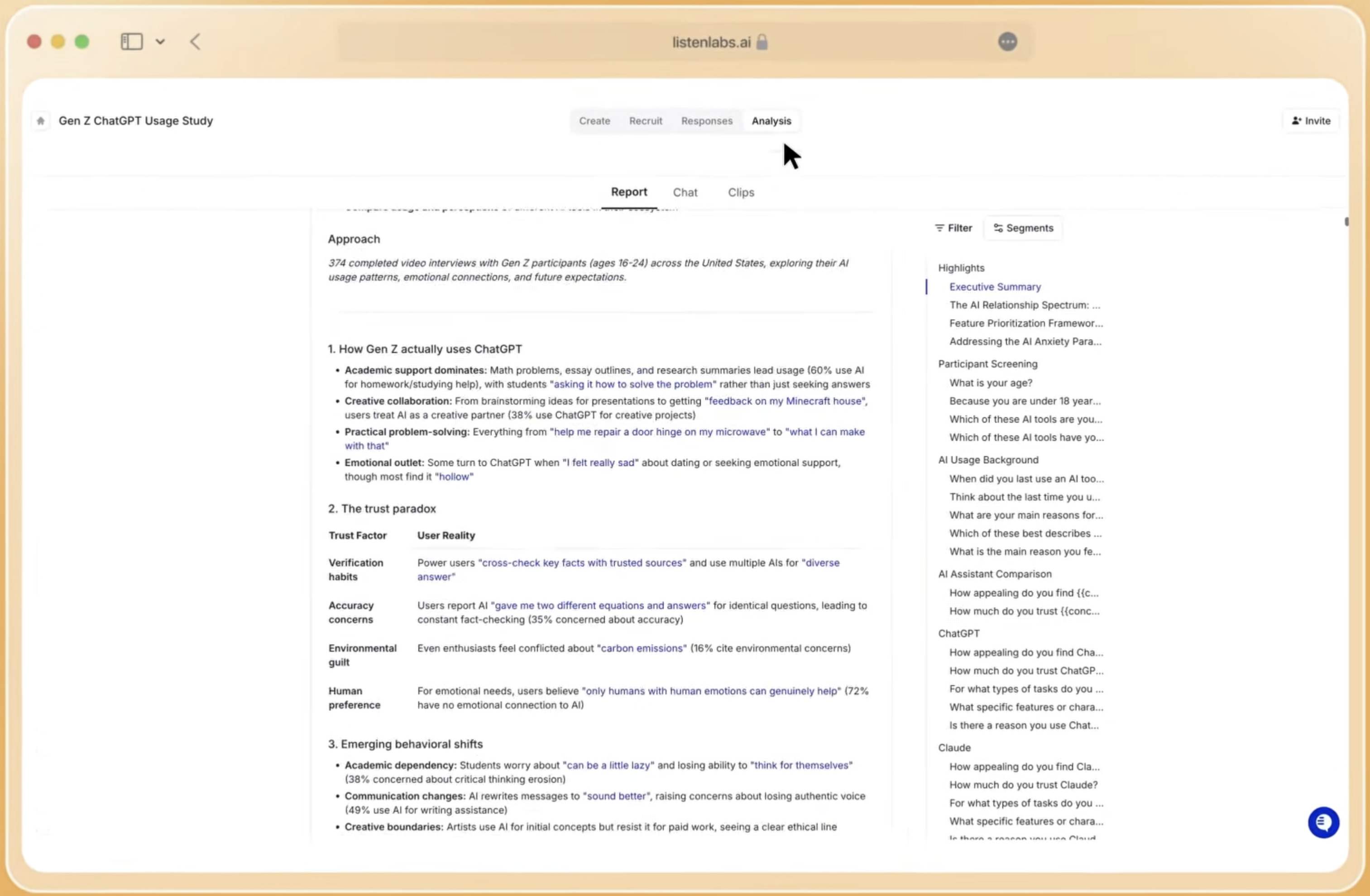
Depth: Numbers Only Or Numbers With Explanations Quantitative research without qualitative context can lead to confident but wrong conclusions. If KPI tracking alone suffices, YouGov or Tracksuit are strong options. If the business question focuses on why consideration dropped or why a segment is disengaging, Listen Pulse is the only solution in this comparison that answers those questions within the same wave instead of through a separate study.
Budget And Team Capacity Tracksuit’s entry-level pricing makes it the most accessible option for many mid-market teams. Ipsos and Savanta suit enterprises with research teams that can manage a full-service relationship. Listen Pulse serves teams that need to multiply research output without proportional headcount increases and delivers insights at roughly one-third the cost of traditional research approaches.
When building a business case for switching, the numbers are straightforward. A quarterly legacy brand tracker costs $160K–$320K annually for a single brand. The same coverage with a continuous AI-moderated program runs $20K–$40K and produces sharper signal because trend detection relies on weekly data points rather than quarterly averages. Speed compounds the cost argument, as Listen Labs compresses the research cycle from 4–6 weeks to less than 24 hours. The strategic value of diagnostic depth is harder to quantify but easy to explain to a CMO: by the time a KPI declines, the underlying shift has been building for months, so a tracker that catches the drop without explaining it leaves the team reacting to a lagging indicator with no diagnosis attached.
The Rise Of Diagnostic Brand Tracking
Brand tracking is shifting from static, periodic surveys to always-on, real-time monitoring of brand health metrics, enabling faster strategic decision-making in today’s fast-paced business environment. The more significant shift is methodological. The future of brand tracking is hybrid, where AI-driven insights provide speed, scale, and predictive power, and targeted surveys provide depth, validation, and context, together creating a more complete picture of consumer reality.
The case for qual-plus-quant brand tracking is not theoretical. Consider a well-known clothing brand, famous for its big logos, that was quietly losing customers. Its existing tracker caught the drop in consideration but could not explain it. Listen Pulse found that the issue was style rather than price. A growing group of customers felt the big logos were too loud for their changing lifestyles, and that insight arrived in the same wave as the metric decline instead of six weeks later from a separate qualitative study.
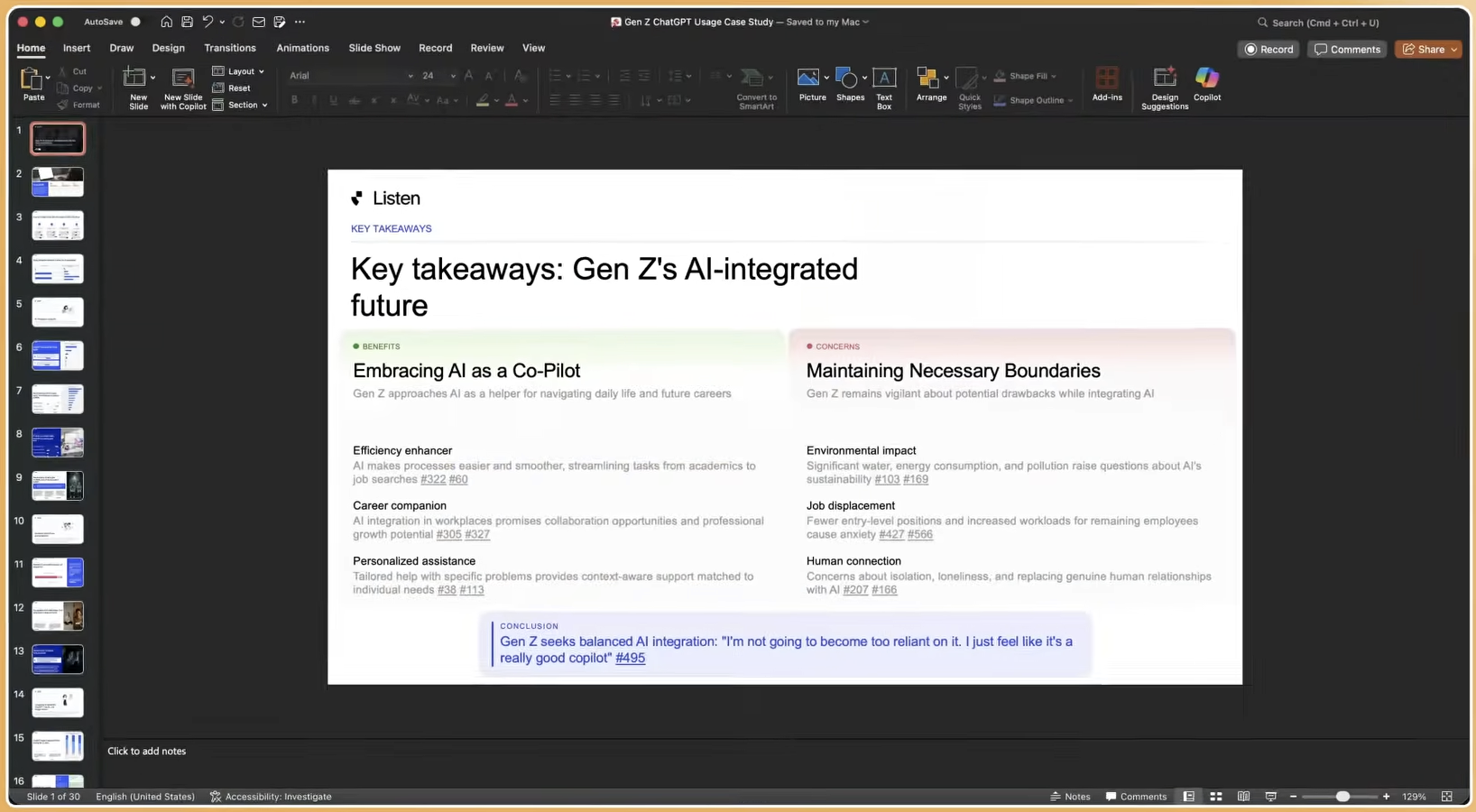
For brand tracking, qualitative research acts as a diagnosis when tracking data shows a change without explaining the cause, such as awareness increasing while consideration remains flat or usage declining among one segment while improving among another. Listen Pulse builds that diagnosis directly into the tracking instrument. Every number is traceable to the interview, verbatim quote, and audio or video clip behind it. Pulse deploys alongside an existing tracker or as the primary system and integrates with Qualtrics and Decipher, so the transition does not require dismantling the KPI infrastructure already in place.
Frequently Asked Questions
Who Are Kantar’s Main Competitors?
Kantar’s main competitors in brand tracking, as cited across industry sources, include YouGov BrandIndex, Ipsos, Tracksuit, Latana, Qualtrics, and Morning Consult, though some sources also list other providers; Savanta, Attest, and Listen Labs’ Listen Pulse are not explicitly named in these sources. Each serves a different need: Yougov for daily benchmarking at global scale, Tracksuit for mid-market self-serve at accessible pricing, Ipsos for enterprise-grade managed research, and Listen Pulse for continuous qual-plus-quant tracking with diagnostic depth. The right competitor depends on whether you need a number, a benchmark, or a narrative.
What Is The Best Kantar Alternative For Mid-Market Brands?
Tracksuit and Latana are strong choices for mid-market brands. Tracksuit offers always-on tracking that launches in 30 days with entry-level pricing from $800 per month and coverage across 25 markets, which makes it a highly accessible option for brands that need shareable dashboards without enterprise complexity. Latana provides dedicated brand tracking with monthly updates and audience segmentation from €7,900 per market per year. Both options are significantly more affordable and faster to deploy than Kantar’s enterprise model. Mid-market teams that also need to understand why their metrics move should evaluate Listen Pulse alongside these options, because neither Tracksuit nor Latana provides diagnostic depth within the same wave.
How Does Kantar Compare To Modern Trackers?
Kantar is wave-based and quant-only. It reports what happened to your brand metrics, such as awareness rising, consideration staying flat, or perception slipping, but it carries no built-in diagnostic for why those movements occurred. By the time a KPI declines in a Kantar report, the underlying consumer shift has typically been building for months, and explaining it requires a separate qualitative study that adds weeks and budget. Modern trackers like Listen Pulse combine structured KPI tracking with open-ended conversation in a single instrument, so every metric movement arrives with its explanation. Tracksuit and Yougov improve on Kantar’s speed and cost but remain quant-only, so the diagnostic gap persists.
What Is Diagnostic Brand Tracking?
Diagnostic brand tracking is a methodology that combines quantitative KPI measurement with qualitative open-ended research in a single, recurring instrument, so that when a metric moves, the explanation moves with it. Traditional trackers report that awareness or consideration changed. Diagnostic trackers report what changed and why, tracing every metric movement to the consumer conversations driving it. Listen Pulse is built specifically for this purpose, as it runs the same study wave after wave, charts emerging themes directly alongside tracked KPIs, and makes every number traceable to a real person’s words, verbatim quote, and video clip. The result is a tracker that functions as an early warning system rather than a lagging indicator.
How Often Should A Brand Tracker Run?
Cadence depends on category speed, marketing activity, and budget. Annual or semi-annual tracking suits stable B2B categories with low advertising spend. Quarterly tracking suits many established consumer brands. Monthly or always-on tracking fits high-velocity consumer categories, brands running active campaigns, or teams entering new markets. The practical constraint is sustainability, because switching cadence mid-program breaks comparability and undermines the trend line. AI-native platforms like Listen Pulse can make continuous tracking more accessible and open always-on methodology to teams that previously could only afford quarterly waves. The more important consideration is whether the tracker can explain what it measures, since a faster tracker without a diagnostic layer still leaves the same explanatory gap.
Conclusion: Choose A Tracker That Explains The Why
The best Kantar alternative for brand tracking depends on your specific needs. YouGov BrandIndex leads for daily benchmarking at global scale. Tracksuit is a strong mid-market self-serve option. Ipsos and Savanta suit enterprises that want managed research with strategic support. Latana serves challenger brands at accessible pricing. Teams that feel their tracker reports numbers without explanations and see consideration drop without understanding why need a different approach.
Traditional trackers catch the drop. Listen Pulse gives you the metric change and the reason behind it in the same wave, with every number traceable to a real person’s words, which turns a lagging indicator into a diagnostic system.