
Written by: Anish Rao, Head of Growth, Listen Labs
This comparison reflects 2026 pricing and product state.
Key Takeaways
- Tracksuit serves mid-market, often DTC-focused brands that want affordable monthly tracking. YouGov BrandIndex serves enterprise teams that need daily, research-grade data across many markets.
- Tracksuit sits in a mid-market pricing tier, while YouGov BrandIndex starts at an enterprise-level budget and scales with markets and categories.
- Both platforms track what moved in brand health but use closed-ended surveys, so they do not explain the underlying consumer reasons.
- Listen Pulse fills this diagnostic gap by pairing open-ended conversational research with existing trackers and surfacing the “why” alongside KPI shifts.
- See how Listen Pulse adds the missing diagnostic layer to your brand tracking.
Why These Two Brand Trackers Get Compared
Tracksuit and YouGov BrandIndex both answer the same core question: how the brand is performing with consumers. They sit at opposite ends of the market on price, data frequency, and research depth, so buyers evaluating one often encounter the other.
Tracksuit is the mid-market, marketer-friendly, monthly tracker, built for consumer brands that need usable brand health data without a formal research team. YouGov BrandIndex is the enterprise, daily, research-grade tracker, built for large organizations with in-house research capacity that need near-real-time brand health data across many markets.
This article compares them on the criteria that usually drive the purchase decision.
How This Comparison Evaluates Both Platforms
The sections below look at each platform through seven lenses:
- Cost tier and pricing structure
- Data frequency and operational cadence
- Market coverage
- Historical data depth
- Metric coverage and what each platform measures
- Who operates the tool internally
- Whether the platform explains why a metric moved
How Tracksuit And YouGov BrandIndex Differ
Tracksuit is built for mid-market consumer brands that need affordable monthly tracking in a focused set of markets. YouGov BrandIndex is built for enterprise brands that need daily data, long time series, and broad geographic coverage.
Tracksuit targets mid-market teams. Pricing starts at approximately $19,500 per brand per year for one category, covering the client’s brand plus five competitors and surveying over 4,000 consumers. That base package is deliberately narrow. Add-ons expand competitors, markets, and brand perception statements. Tracksuit covers 25 markets, weighted toward Europe, and typically launches in about 30 days from kick-off to first dashboard. The platform offers unlimited seats, AI-generated Coach’s Notes, and a five-stage brand funnel covering awareness, consideration, investigation, usage, and preference, plus Imagery and Statements perception measures and Conversion Drivers analysis.
YouGov BrandIndex targets enterprise brands. It tracks over 27,000 brands daily across 56 markets, drawing on a panel of more than 30 million members. The platform is YouGov’s flagship brand tracking tool, covering 16 brand health metrics. Its 18+ years of continuous daily data allow near-real-time correlation of perception shifts with events such as campaigns, PR crises, and competitor actions. Pricing is custom-quoted at an enterprise level, with typical engagements starting around $50,000–$75,000 per year for a single market and category, and multi-market programs reaching $100,000–$200,000+ per year depending on brands, markets, and metrics.
Both platforms price against markets tracked, sample size, and data frequency. Tracksuit sits at the accessible end of that spectrum. YouGov BrandIndex sits at the enterprise floor.
Data Frequency And How Teams Use The Numbers
Price and coverage set the floor, but cadence determines what a team can actually do with the data. Data frequency decides whether a campaign’s effect shows up in-week or only in the next wave.
Daily tracking lets enterprise teams see whether news, campaigns, or competitor moves changed brand health in near-real time. Monthly tracking is frequent enough to detect gradual erosion and measure campaign impact, but it is less immediate than always-on tracking.
The sample-size arithmetic shapes how reliable each cut of data feels. YouGov BrandIndex U.S. data runs on an average daily sample of approximately 6,200 adults, presented as a 12-week moving average. In markets outside the U.S., sample sizes are smaller. Indonesia tracking for March 2026 reported a daily sample ranging from 594 to 631 respondents, published as a 4-week moving average. Tracksuit fields monthly waves weighted on age, gender, and region, using census-weighted nationally representative survey panels from Dynata and CINT.
Tracksuit weights its survey data on only three variables, so skews it does not measure, such as income, education, or household composition, pass through into every reported number. For smaller brands, a G2 reviewer noted that “the monthly sample size makes it difficult for smaller brands to establish significance.”
Market Coverage And The Single-Market Vs. Multi-Market Call
Market footprint affects both cost and fit. A team tracking one market may pay for coverage it never uses, while a global team may need the broadest possible panel.
Tracksuit runs continuous consumer surveys across 25 markets, weighted heavily toward Europe with 16 markets, four in the Americas (US, Canada, Brazil, Mexico), and five in APAC (New Zealand, Australia, South Korea, Singapore, Japan). It has no coverage in Africa, the Middle East, or South Asia. YouGov BrandIndex covers 56 markets worldwide with sector-level insights.
For a single-market DTC brand operating in the US or UK, Tracksuit’s coverage is usually sufficient and the price point proportionate. For a brand tracking across Asia, the Middle East, or Africa, YouGov BrandIndex is the viable option between the two. The decision functions as a budget-allocation and footprint choice rather than a feature checklist.
What Each Brand Tracker Actually Measures
The two platforms measure brand health at different levels of detail. Tracksuit compresses brand performance into a five-stage funnel with supporting perception metrics. YouGov BrandIndex spreads brand health across 16 discrete metrics, which increases diagnostic resolution.
Tracksuit tracks a five-stage brand funnel: awareness (unaided and aided), consideration, investigation, usage, and preference. On top of the funnel, Tracksuit’s brand perception measurement uses Imagery (spontaneous associations) and Statements (attribute ratings). Conversion Drivers analysis highlights which perceptions most strongly predict movement through the funnel.
YouGov BrandIndex tracks 16 brand health metrics across three categories: media and communication metrics (Advertising Awareness, Aided Brand Awareness, Attention, Buzz, Word of Mouth Exposure), purchase funnel metrics (Purchase Intent, Consideration, Current Customer, Former Customer), and brand perception metrics (General Impression, Customer Satisfaction, Quality, Value, Corporate). The Buzz metric is a net score measuring whether a consumer has heard anything positive or negative about a brand in the past two weeks. Consideration, Purchase Intent, and Satisfaction appear as percentages or net scores depending on market and metric.
Who Actually Runs Each Tool Inside The Company
Internal ownership shapes how much value a team extracts from either platform. A 10-person marketing team and a 30-person insights organization will experience the same tool very differently.
Tracksuit is built for marketers without a formal research background. It launches in roughly 30 days with minimal setup effort and offers unlimited seats so marketing, agencies, and leadership share the same data. YouGov BrandIndex delivers data via a flexible API or within its always-on platform and is designed for integration into in-house systems, BI tools, and AI models, with public API documentation for teams that want brand health data inside their own stack.
If the team lacks a researcher who can interpret daily moving averages, segment by demographic, and connect metric shifts to campaign timelines, YouGov BrandIndex’s depth can feel like overhead. If the team needs to brief a CFO on brand health in a single dashboard view, Tracksuit’s interface supports that use case.
See how Listen Pulse adds the diagnostic layer your tracker is missing.
The Diagnostic Gap: What Moved Vs. Why It Moved
Both platforms share a structural limitation that most comparison pages gloss over. They excel at reporting movement in brand metrics but do not explain the human reasons behind that movement.
Traditional brand trackers are lagging indicators with no mechanism to explain themselves. They show that something changed but not why in human terms. By the time a KPI declines, the underlying shift has often been building for months. Debriefs then turn into debates, because the numbers document rather than diagnose.
Consider a concrete scenario. A brand KPI drops two points in consideration. The tracker confirms the drop. The debrief produces three competing theories. No one can agree on the cause, and a separate qualitative study will take weeks and likely arrive after the next planning cycle closes.
Both Tracksuit and YouGov BrandIndex share this limitation as survey-based trackers. They report that brand metrics moved but cannot explain why, because closed-ended surveys measure the surface of perception.
Listen Labs built Listen Pulse to close this gap. Listen Pulse is a conversational tracker that runs the same study with the same screeners wave after wave, keeps core questions constant to protect the trend line, and adds open-ended conversation to every wave. It charts emerging themes next to the KPIs teams already report, analyzes tens of thousands of responses continuously, and surfaces the trends forming now, the reasons numbers are moving, and what is coming next. Every number traces back to a real moment with a real person, including their words, quote, and clip.
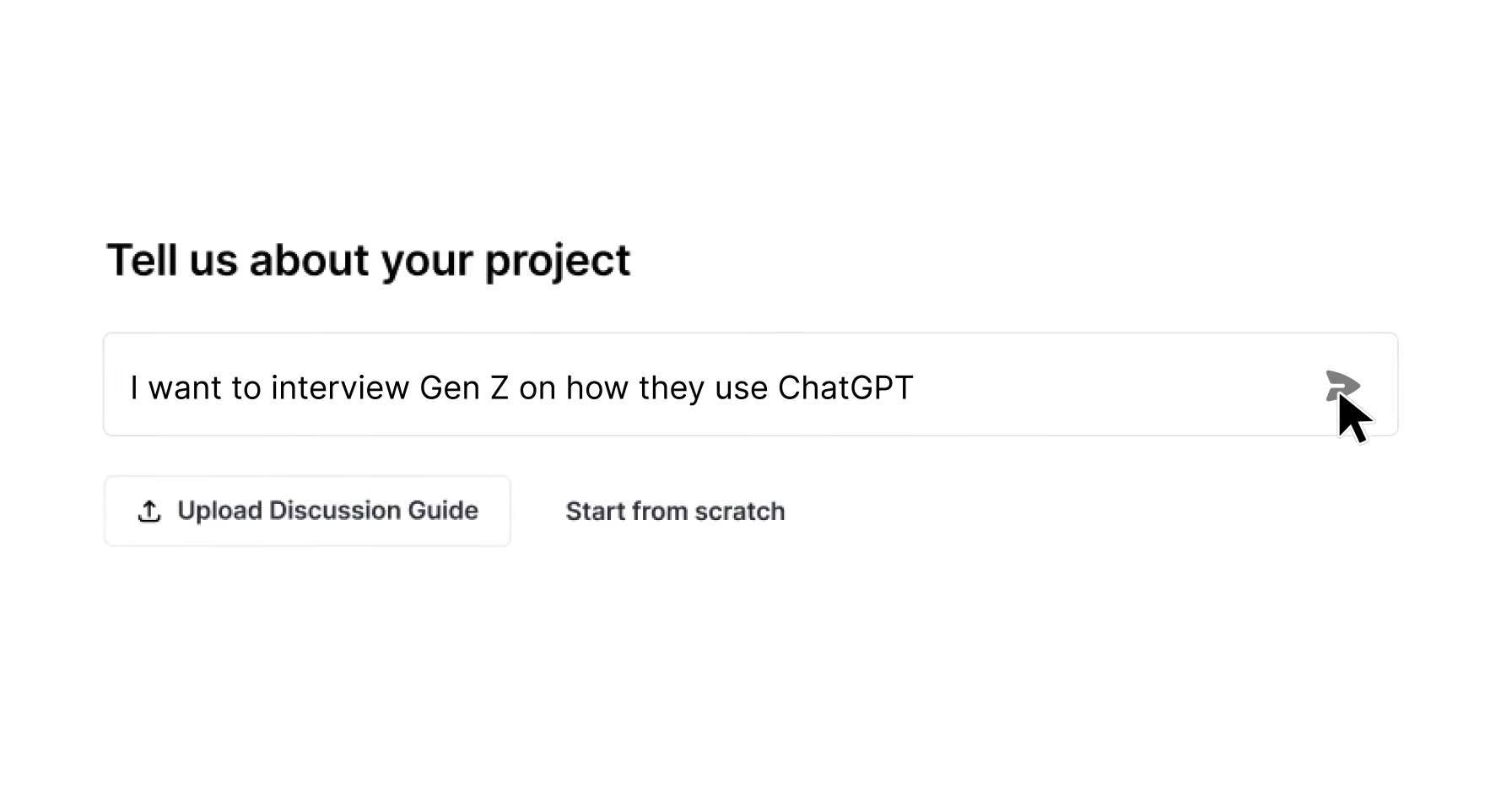
One well-known clothing brand, famous for its big logos, was quietly losing customers. Its old tracker caught the drop but offered no explanation. Listen Pulse found that price was not the issue. Style was. A growing group of customers felt the big logos were too loud for their changing lifestyles. That finding arrived in the same wave as the KPI movement, rather than months later through a separate qualitative study.
Listen Pulse deploys alongside an existing tracker or as the primary tracking system and integrates with Qualtrics and Decipher. Listen Labs sources participants from its 50M+ network and delivers results in less than 24 hours.
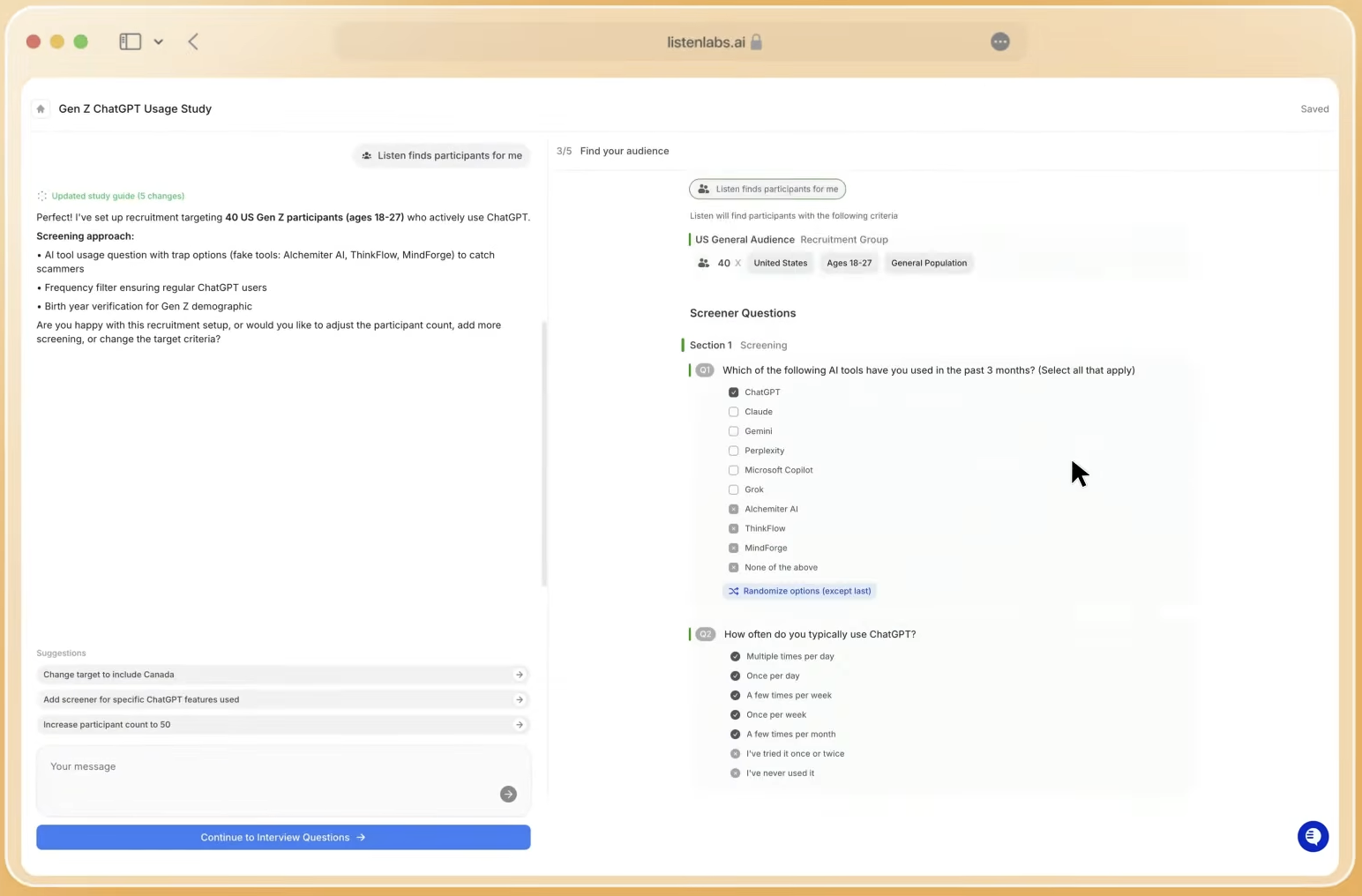
Get the “why” in the same wave as the KPI change with Listen Pulse.
Which Brand Tracker Fits A Single-Market DTC Brand
With the diagnostic gap established, the comparison still comes down to fit. For a single-market DTC brand, the decision usually narrows to budget, cadence, and internal research capacity.
Tracksuit fits mid-market brands and marketing teams that need affordable, usable monthly brand tracking in a limited number of markets. Tracksuit is strongest in the ANZ, UK, and US markets and is typically live within weeks, serving mid-market and DTC brands. For a single-market DTC brand with a marketing-led research function and a budget under roughly $50,000, Tracksuit is usually the more proportionate choice.
YouGov BrandIndex suits enterprise brands that need daily brand health data across multiple markets, deep historical benchmarking, and the ability to correlate perception shifts with specific market events. Teams tracking many markets, responding to news cycles, or relying on 18+ years of benchmarks typically choose YouGov BrandIndex.
Listen Pulse fits teams that need to explain metric movement as well as track it and that want the “why” in the same wave as the KPI change. It deploys alongside either platform or as the primary tracking system.
Risks, Limitations, And Common Misconceptions
Each platform carries tradeoffs that matter at implementation.
Tracksuit’s limitations are well-documented. Tracksuit has no market coverage in Africa, the Middle East, or South Asia, and limited coverage outside Europe. Its monthly cadence means a campaign’s in-week effect appears only in the next wave. Its weighting on three demographic variables means certain audience skews pass through undetected.
YouGov BrandIndex’s limitations stem from its syndicated model. Syndicated studies are fast and broad but fixed. Buyers receive the metrics the vendor chose, against the brand list the vendor tracks, inside vendor-defined categories. A niche category or mid-market challenger may not appear at all. For a single-market brand, the cost and coverage can exceed what the team needs.
Both platforms share the diagnostic limitation described earlier. Neither explains why a metric moved.
Two misconceptions appear frequently. Tracksuit is a brand tracking software platform, not an apparel or clothing brand. YouGov BrandIndex is YouGov’s paid business brand tracking product, distinct from YouGov’s consumer polling panel used for public opinion research.
How To Decide: Four Questions Before You Sign
Before committing to either platform, walk through four questions that function as a simple decision framework.
- What is the budget ceiling? This question comes first because it can remove one option immediately. Tracksuit sits around the high tens of thousands per brand per year, while YouGov BrandIndex starts at an enterprise-level budget for a single market. If the budget sits below the enterprise threshold, Tracksuit becomes the practical option.
- How many markets need tracking? Market count is the next filter because it determines whether syndicated global coverage is necessary. Tracksuit’s 25-market footprint suits focused regional programs. YouGov BrandIndex’s broader 56-market coverage suits multi-market enterprise programs.
- Does the team have in-house research capacity? This question clarifies who will own the tool. Tracksuit is built for marketers without a research background. YouGov BrandIndex assumes a research team that can interpret daily moving averages and API-delivered data.
- Does the team need to explain metric movement or only track it? If the answer includes explanation, neither platform closes that gap on its own. Budget for a diagnostic layer, such as conversational tracking, alongside whichever tracker you choose.
Frequently Asked Questions
Is Tracksuit A Brand Tracking Tool Or A Clothing Brand?
Tracksuit is a brand tracking software platform, not an apparel or clothing brand. It was founded in New Zealand and measures consumer brand health through continuous monthly surveys across 25 markets. The name causes confusion in search, but the company operates entirely in the market research and brand intelligence space.
How Does YouGov BrandIndex Collect Data?
YouGov BrandIndex collects data through daily surveys administered to YouGov’s proprietary panel of over 30 million registered members worldwide. Surveys are invite-only, which YouGov states supports representativeness. U.S. data appears as a 12-week moving average with an average daily sample of approximately 6,200 adults. In smaller markets, data typically appears as a 4-week moving average with proportionally smaller daily samples. YouGov builds a persistent identity record for each panelist, enriching it over time to sharpen targeting and reduce repetitive questions.
What Is A YouGov Buzz Score?
YouGov BrandIndex’s Buzz metric is a net score that measures whether a consumer has heard anything positive or negative about a brand in the past two weeks. It is calculated by subtracting the percentage of respondents who heard something negative from the percentage who heard something positive. A positive Buzz score means more consumers heard positive things than negative; a negative score means the reverse. Buzz is one of four media and communication metrics in YouGov BrandIndex, alongside Aided Brand Awareness, Advertising Awareness, Attention, and Word of Mouth Exposure. A free version called BrandIndex Lite provides a snapshot of Buzz data at no cost.
Can Tracksuit Track Multiple Markets?
Yes. Tracksuit covers 25 markets across Europe, the Americas, and APAC. Multi-market tracking is available as an add-on to the base plan, which covers a single market. However, Tracksuit has no coverage in Africa, the Middle East, or South Asia, and its footprint is weighted heavily toward Europe. Teams tracking brands in those regions will need to evaluate other platforms.
How Do Teams Get The “Why” Behind A Brand Metric Movement?
Traditional brand trackers, including both Tracksuit and YouGov BrandIndex, are closed-ended survey instruments. They measure whether a metric moved but do not carry a built-in diagnostic for why it moved. The conventional solution is a separate qualitative study after a KPI shift, which typically takes 4 to 8 weeks end to end and often arrives after the planning window has closed.
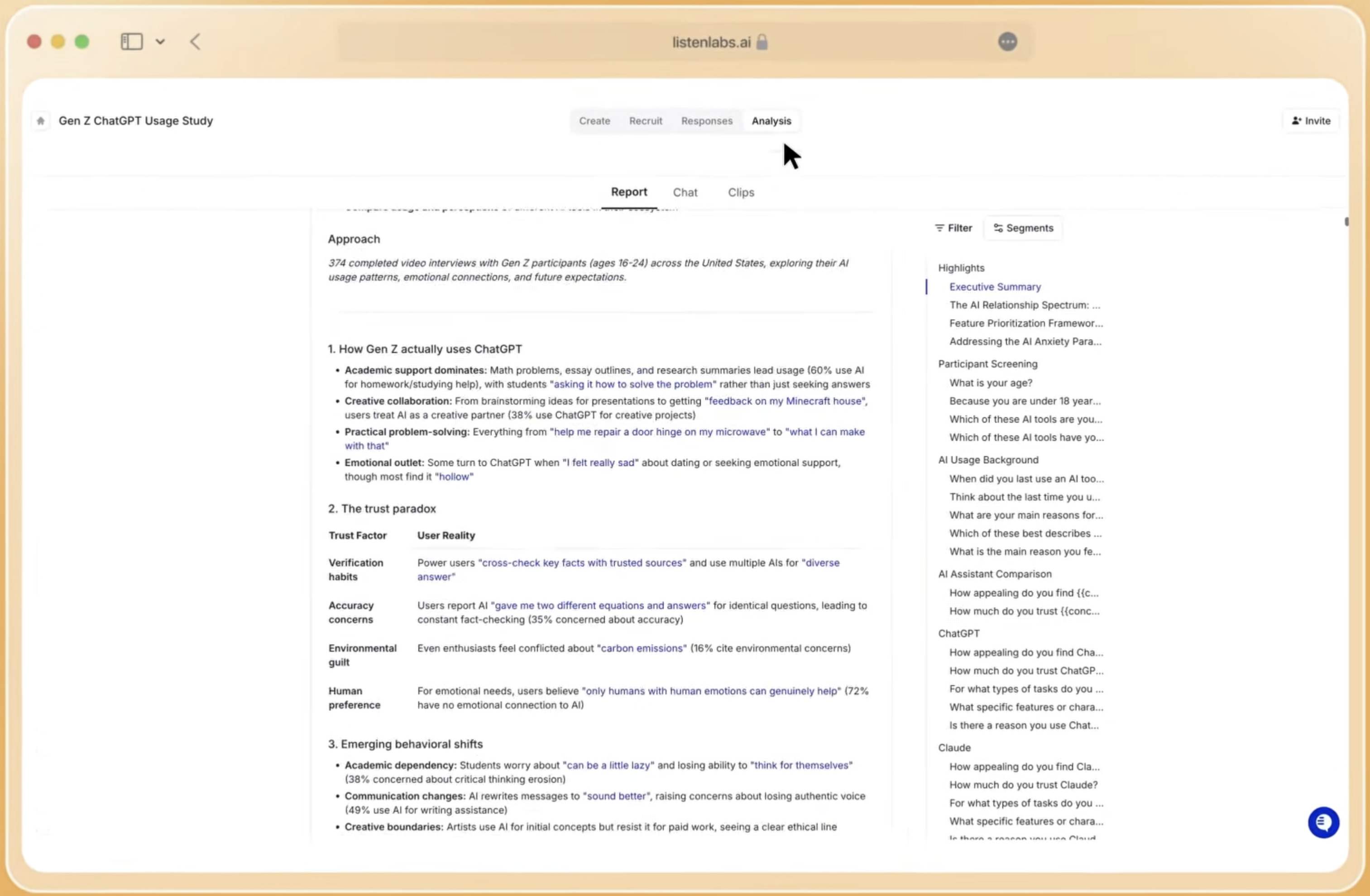
Listen Pulse solves this structurally. It runs the same study wave after wave, keeps core questions constant to protect the trend line, and adds open-ended conversational questions to every wave. Emerging themes are charted directly alongside the KPIs teams already report, so the explanation arrives in the same wave as the metric movement. Listen Pulse integrates with Qualtrics and Decipher and deploys alongside an existing tracker or as the primary tracking system.
Conclusion: Matching The Tracker To The Team
Tracksuit and YouGov BrandIndex both provide credible brand tracking, but they serve different teams. Tracksuit fits mid-market brands with marketing-led teams and single or limited market needs. YouGov BrandIndex fits enterprise brands with research teams, multi-market programs, and a need for daily data and deep historical benchmarks.
The diagnostic gap described earlier remains across both platforms. They act as scoreboards that show movement, while explanation requires an additional layer.
Listen Pulse gives teams that additional layer. It keeps the trend line clean, adds open-ended conversation to every wave, and delivers the diagnostic “why” in the same wave as the KPI change, traceable to the exact words, quote, and clip from a real person. It deploys alongside Tracksuit, YouGov BrandIndex, or any existing tracker and integrates with Qualtrics and Decipher.
Close the diagnostic gap your tracker leaves open with Listen Pulse.